
SOMA
EMBODIED COMPASSION
DESA SENI, BALI
Many of us are living at a pace our bodies did not choose. The days move quickly. The mind rarely rests. We begin to feel some distance from ourselves; moving through our lives without fully inhabiting them. Restless, yet exhausted. Sleep grows lighter. Patience shorter. We oscillate between overexposure and withdrawal, wanting to stay engaged with the world yet unsure how to do so without overwhelming ourselves.
SOMA was created in response to this tension.
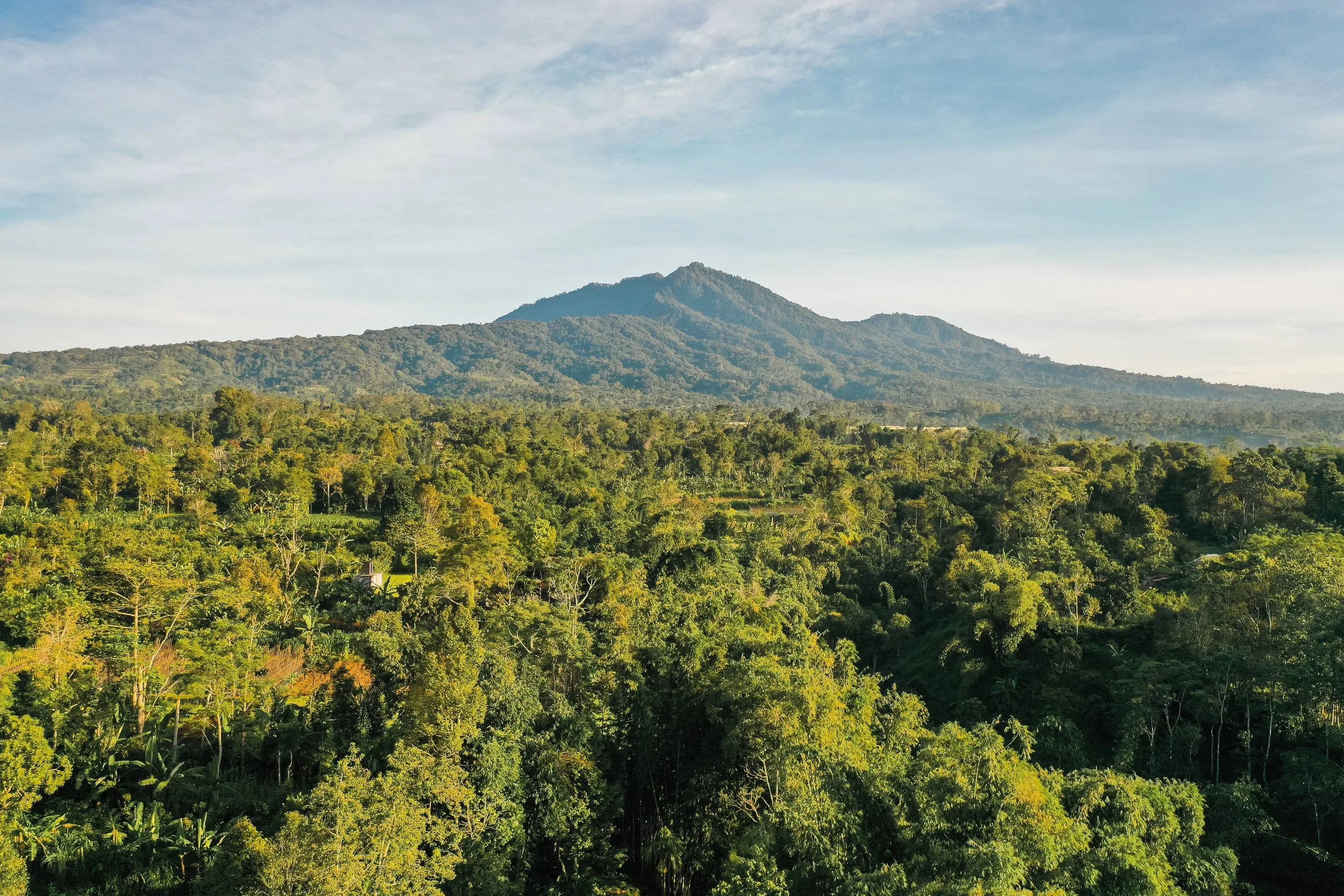
Held in the fertile highlands of Bali, where land, ritual, and daily life remain in close conversation, this six-night immersion invites your nervous system to settle and your attention to return to what is immediate and alive. Here, the verdant landscapes are interwoven with the everyday beauty of villages steeped in ceremony and tradition. This is terrain that supports deep physiological regulation: the body knows instinctively that it can stop holding so much in places where it feels held.
At the heart of SOMA is embodied compassion: the capacity to remain connected to your own experience while opening your heart to others. When compassion is grounded in the body, it becomes a source of steadiness rather than depletion. You learn how to recognise your limits without closing down. How to stay present with discomfort without becoming overwhelmed. How to care in ways that are discerning, sustainable, and responsive.
Participants often describe our retreats as deeply nourishing. Many speak of learning more than they can fully express — emotionally, spiritually, physically. Of feeling part of a field that genuinely fosters self-discovery and awareness. Of rediscovering reverence for what matters most: nature, community, belonging, love. Of leaving more whole, enriched, and open to new possibilities unfolding.
Led by Gestalt practitioner and wilderness guide Steven Harper and compassion facilitator and meditation teacher Dr Amy Finlay-Jones, SOMA weaves contemplative practice, somatic inquiry, poetry, and relational Gestalt work.
An immersion in compassion, Gestalt Inquiry, & somatic practice.
Together, these approaches strengthen three core capacities:
Embodied awareness — sensing what is happening in your body in real time, and using this as a compass for wise action.
Relational presence — deepening your ability to make authentic contact, listen, and speak from lived experience.
Grounded responsiveness — meeting uncertainty and change with clarity rather than reactivity.
Throughout the week, you will explore how you habitually move toward or away from contact, how you hold emotion, and how you orient toward conflict, difference, and vulnerability. You will practise staying with sensation, dialogue, and silence long enough for something more integrated to emerge.
By the end of SOMA, compassion is no longer abstract. It is lived — as steadier breath, clearer boundaries, deeper connection, and a greater capacity to remain with what matters. Participants leave with:
Increased nervous system regulation and resilience
Greater clarity in relationships and communication
A renewed sense of belonging to body, community, and place
Practical practices they can integrate into leadership, therapy, social impact work, and daily life
SOMA is an immersion for those seeking greater depth and sustainability in relationship — with themselves, with others, and with the world around them. A return to a way of being that continues to unfold long after you leave.
SOLD OUT.
Meet Your Facilitators
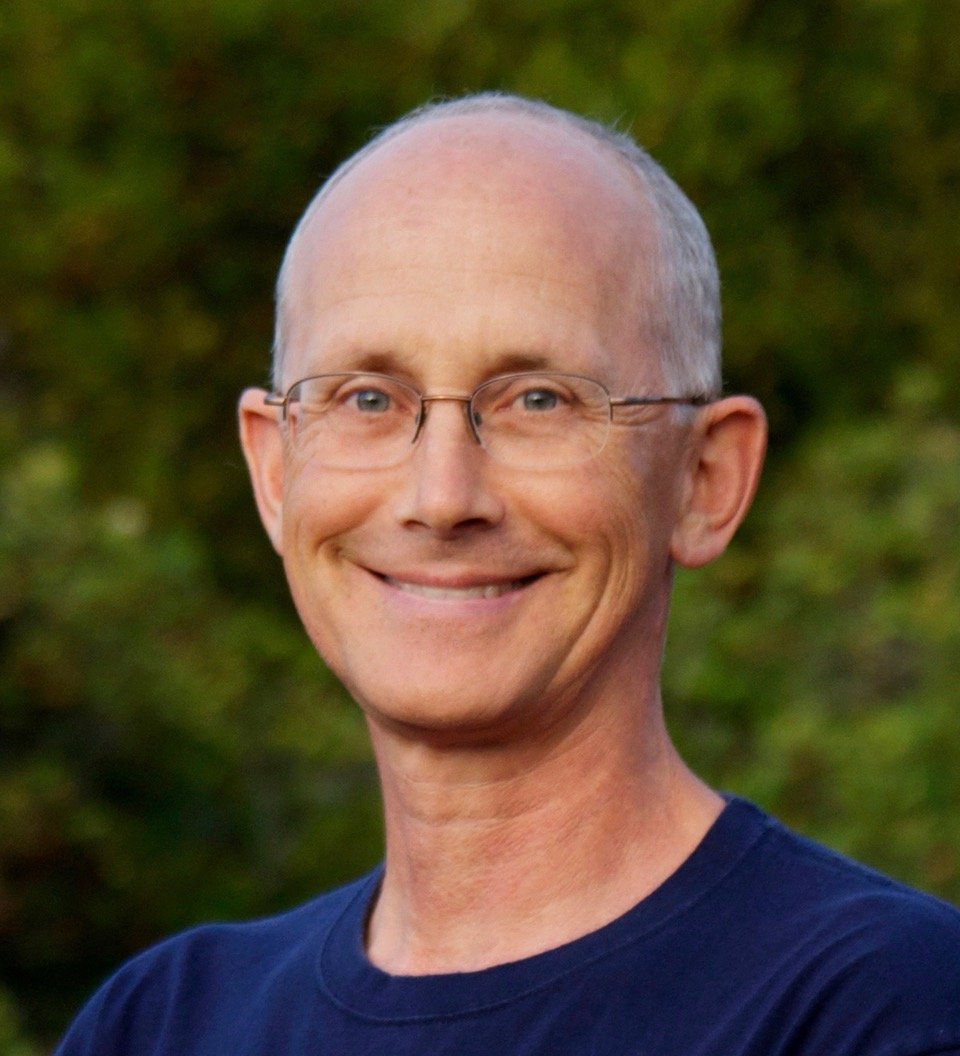
Steven Harper
Steven Harper is a workshop leader, Gestalt practitioner, wilderness guide, and teacher of embodied awareness whose work explores the fertile meeting between human consciousness and the living world. For more than four decades, he has guided individuals and groups in experiential inquiry rooted in somatic presence, mindfulness, and deep ecological belonging. He holds a Master’s degree in Psychology and has been a dedicated student of mindfulness since 1972, weaving contemplative practice into the foundation of his teaching.
A long-time student and facilitator of Gestalt Practice in the lineage of Richard Price, Steven invites direct contact with lived experience — sensing, feeling, and listening for the intelligence moving through body and relationship. His work is influenced by Buddhist psychology, somatic and neuropsychological perspectives, wilderness as teacher, and contemplative traditions that honor both mystery and immediacy.
As a naturalist and avid explorer, he has traveled widely in wild landscapes and lived and studied with several Indigenous cultures whose relational ways of knowing continue to shape his understanding of community, nature, and belonging. A longtime resident of Big Sur, California, Steven has taught internationally for over 48 years, creating grounded spaces where compassion can emerge as an embodied, relational way of being.
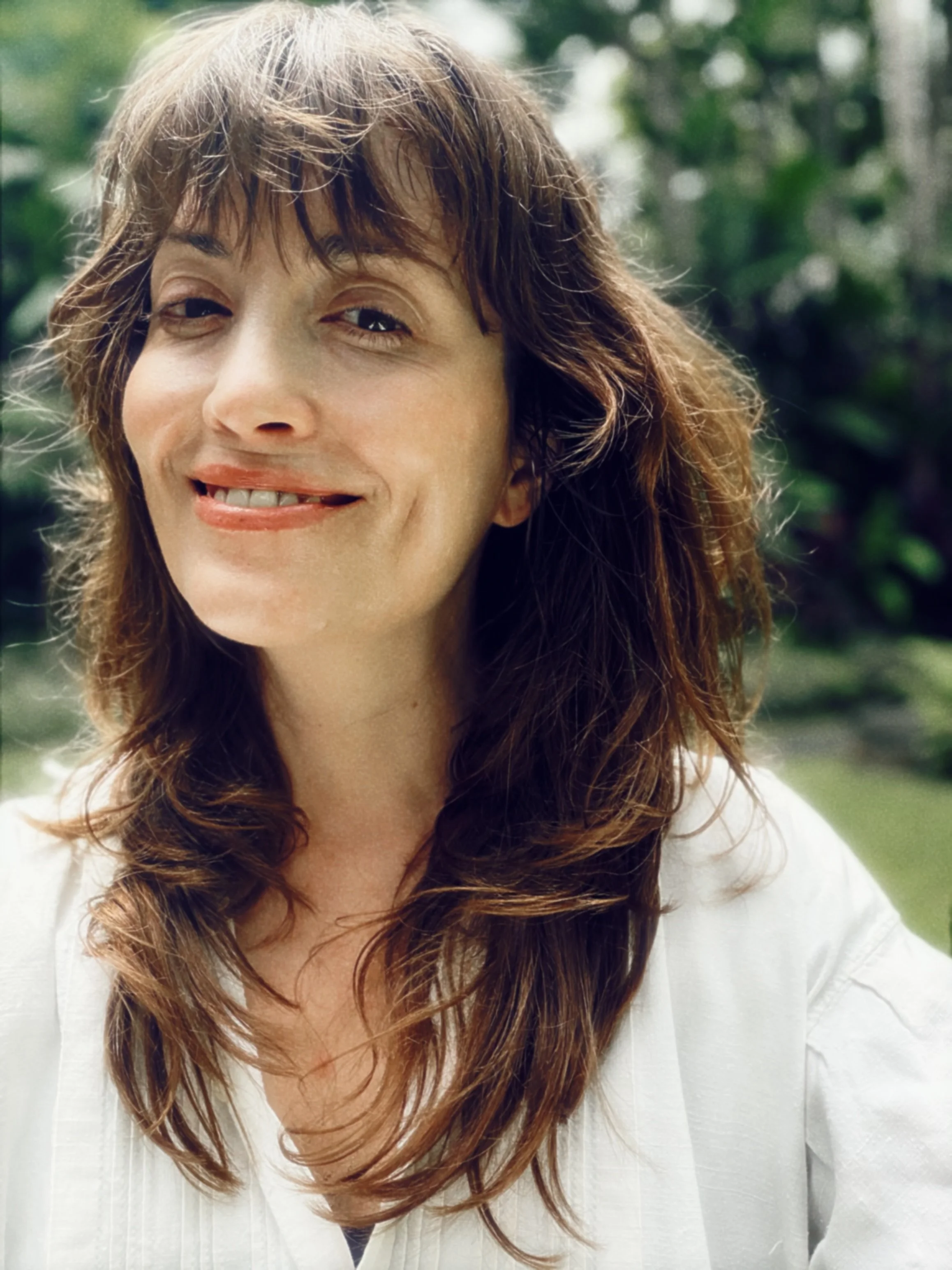
Amy Finlay-Jones
Amy is a therapist and meditation teacher whose work sits at the nexus between science and the sacred. For two decades she has explored what helps human beings feel held, connected, and alive — not only through research, but through meditation, somatic practice, group work, and relational inquiry. Her work is an ongoing exploration of how we honour our interbeing, how mindfulness allows us to inhabit our lives differently, and how compassion supports human flourishing.
Known for her grounded presence, Amy holds spaces where people can come to a new understanding of who and how they are, equipping them to move forward in life with awareness and intention. Her teaching invites participants to approach the complexities of being human in a way that is both playful and poignant.
Amy brings a rare blend of contemplative tradition and contemporary science. She is an Associate Professor with a Masters degree and PhD in Clinical Psychology who conducts research at the intersection of wellbeing, human connection, and contemplative practice. She is the lead editor of The Handbook of Self-Compassion alongside Karen Bluth and Kristin Neff. She is certified teacher of Compassion Cultivation Training, Mindful Self-Compassion, and Mindfulness-Based Compassionate Living, as well as a RYT200 certified yoga teacher.
Amy is the founder of Kindful, through which she creates programs that weave evidence-based approaches with contemplative practice, offering pathways back to belonging — with oneself, with one another, and with the wider world.
Compassion, when grounded in the body, offers another way of being with experience that holds us steady through these challenging times. We are able to keep our hearts open, while remaining grounded. We are able to care for each other, without abandoning ourselves. We are able to consider what it means to stay present with life as it is and remain of service to what we love.
Compassion Practice
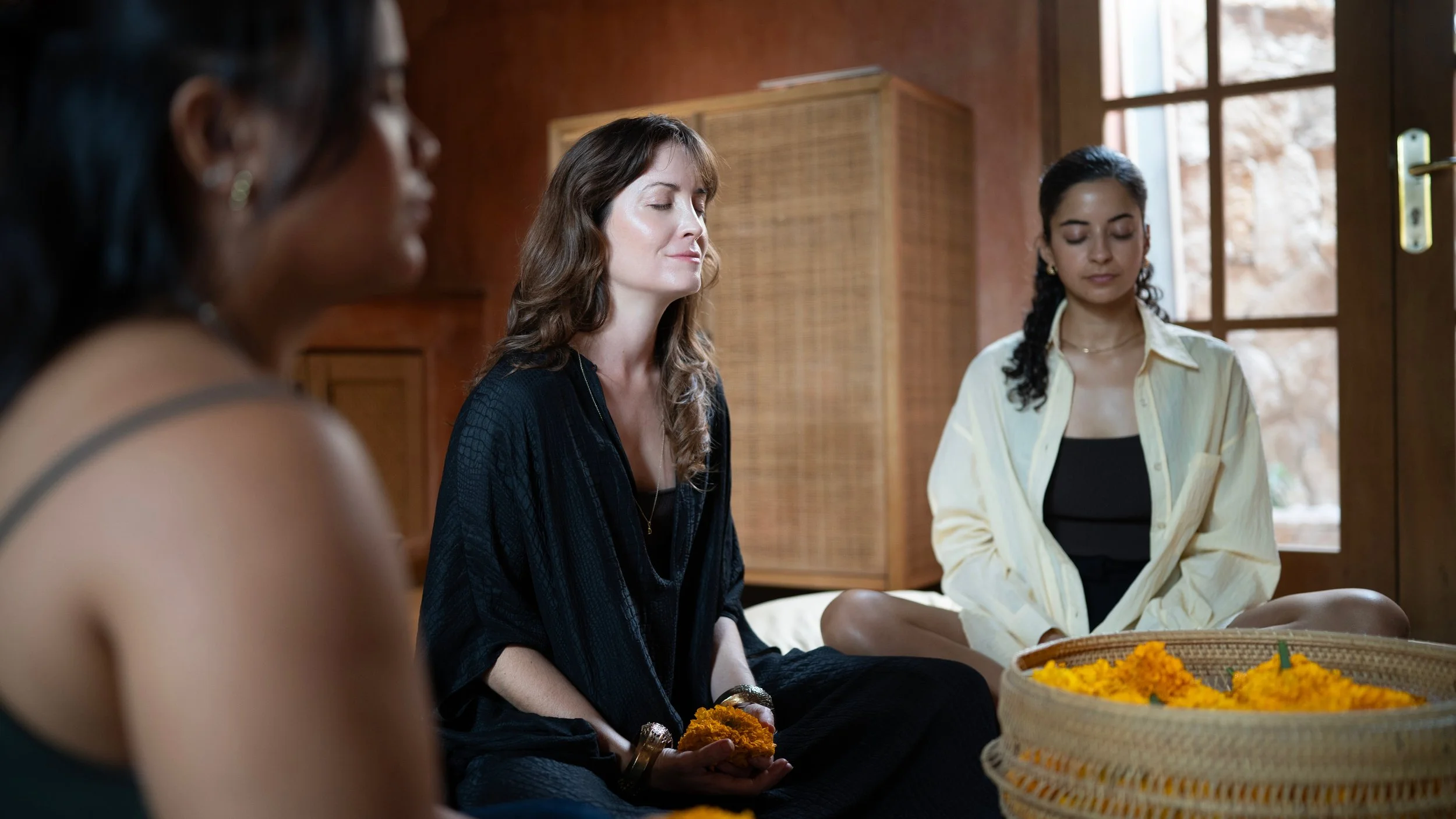
Each day includes compassion-based meditation and contemplative practice that cultivates wise care for self and others. We work with intention and attention as living forces that shape how we meet suffering and how we respond.
Gestalt Inquiry
Gestalt is a practice of direct contact with present-moment experience. It asks simple, profound questions: What is happening now? What do I feel in my body? How do I move toward or away from relationship? In dialogue and guided inquiry, participants explore how compassion becomes real in lived experience.
SOMA: 'the body living in its wholeness’
Somatic Practice
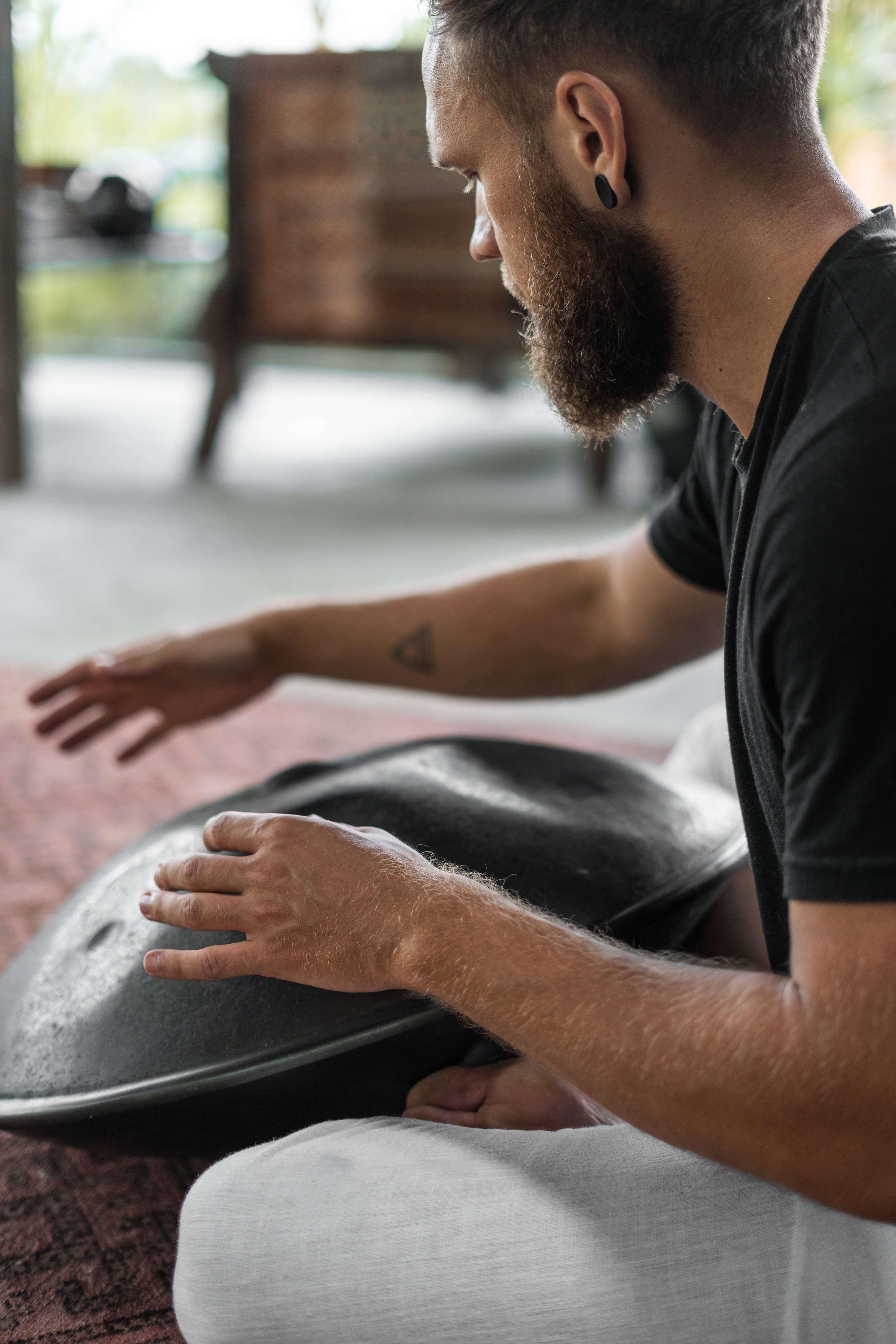
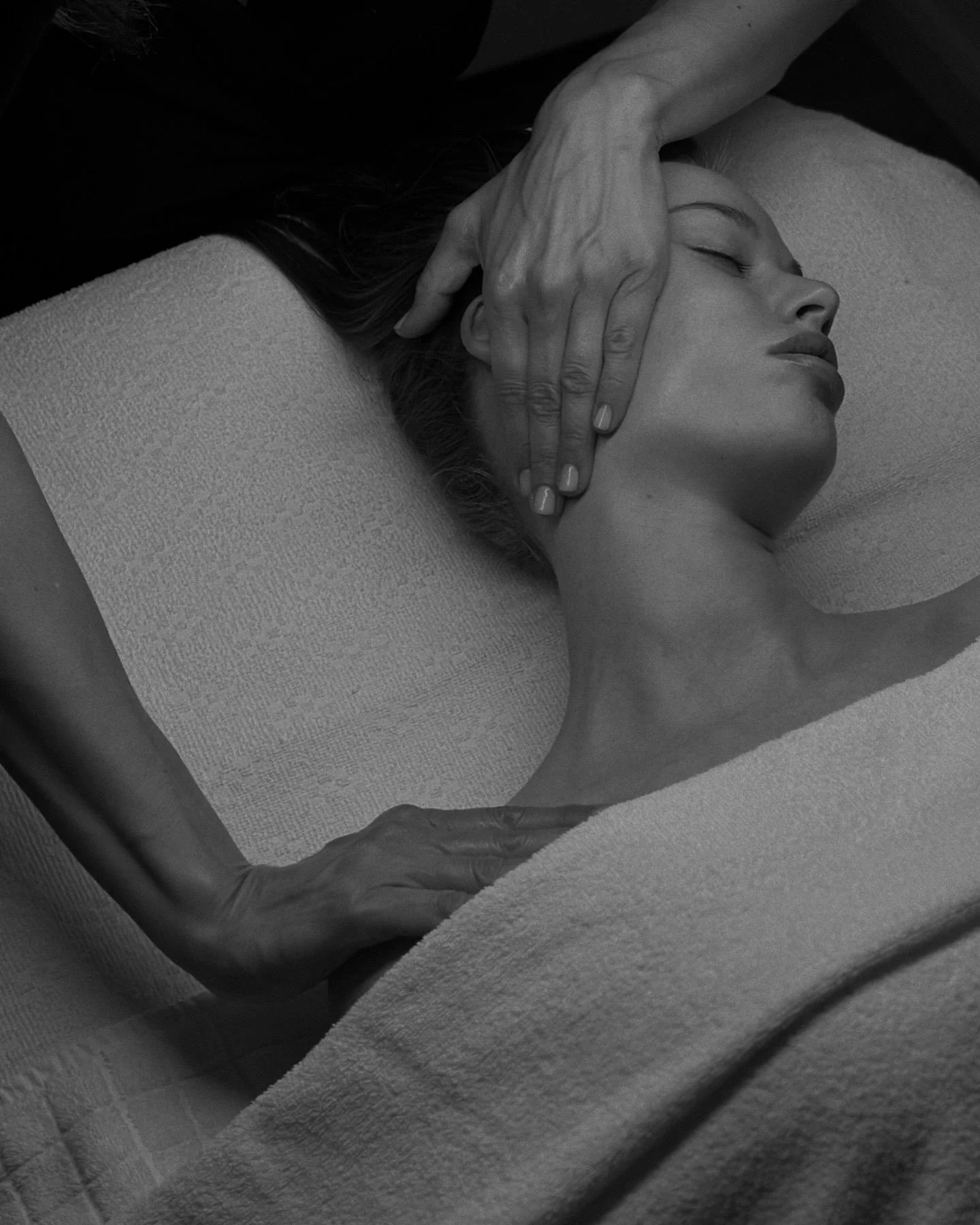
Somatic work brings us back to the body as a place of truth, regulation, and wisdom. Posture, breath, sensation, and movement become the ground of steadiness. As the body becomes more available, we gain access to the places where grief, fear, courage, tenderness, and clarity actually live.
Our exploration unfolds across three interwoven domains: the intrapersonal — sensing and befriending our inner landscape; the interpersonal — deepening authentic contact and relational presence; and the transpersonal — opening to nature, mystery, and the more-than-human world. Together, we will explore practices that include:
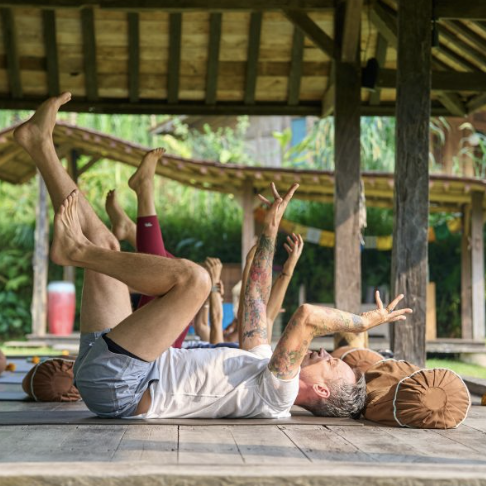
Meditation and mindful movement to ground awareness in the body
Gestalt-based inquiry and relational dialogue
Somatic practices for nervous system regulation and resilience
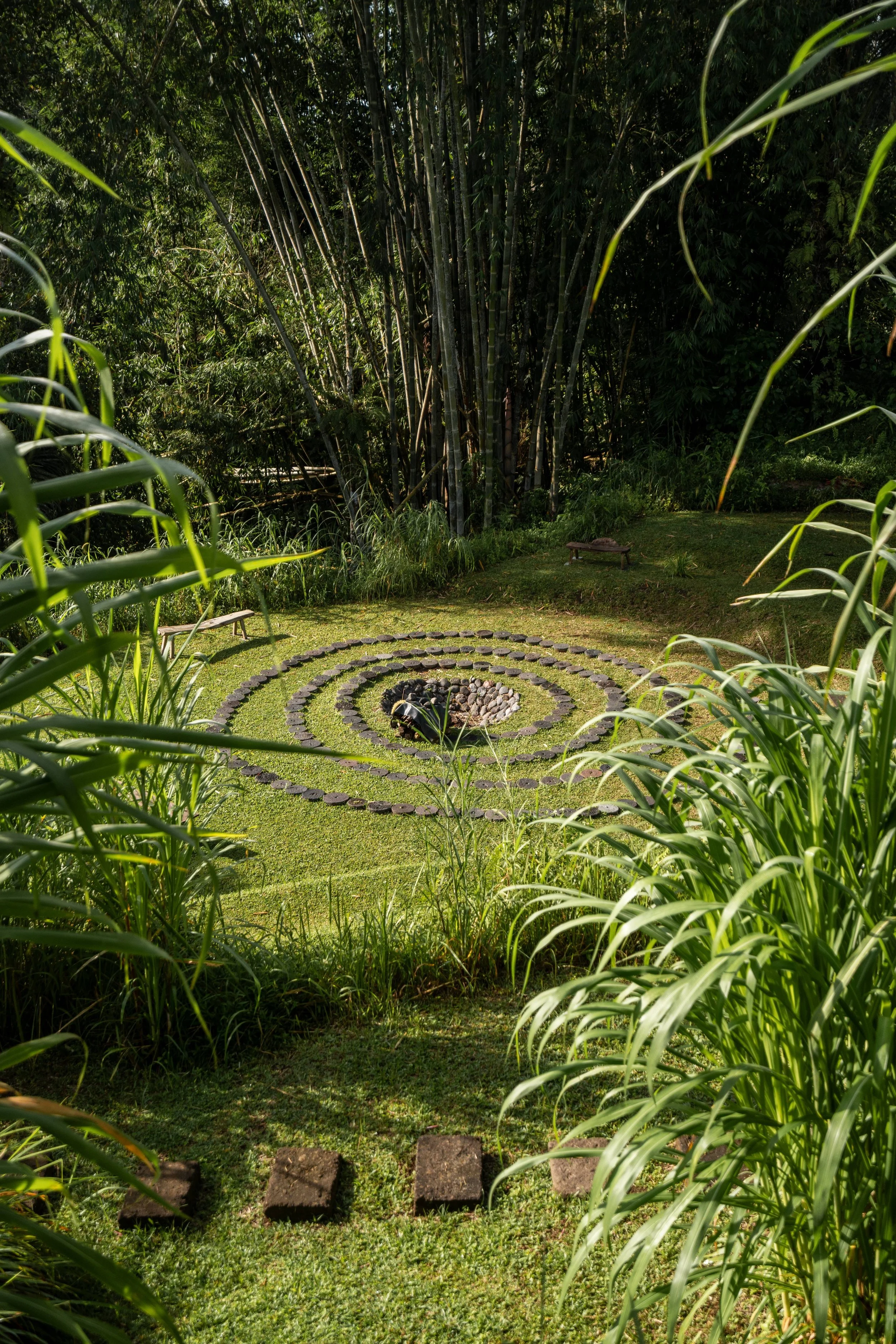
Contemplative reflection in nature and walking meditation
Ritual, poetry, and integrative practices that open the transpersonal realm.

Testimonials
“Whilst healing is always a personal and ongoing journey, this retreat acted as a circuit break in my old patterns. It gave me the space to truly look inward, and more importantly, it allowed me to cultivate the approach I needed to move forward with greater intention and self-compassion. Since then, I’ve felt stronger and more grounded in the decisions I make for myself, and I’ve noticed how that strength naturally ripples outward into my relationships and the way I show up for others. People around me have noticed the shift too, and I owe so much of that to Amy and the wonderful supporting practitioners who held the space with such care and integrity.”
Clemence - Retreat Participant
“I’m not sure words can fully convey my appreciation, but I’ll try. This week felt magical—filled with beauty and a deep sense of communion with myself, others, and this remarkable place. As in past workshops with you, I experienced a profound inner healing. Your unique blend of physical, mental, and spiritual practices, your use of poetry, your quiet, grounded leadership, and your steady presence create a space where people feel safe to be themselves—to remember who they are and live from that truth. I keep returning because this work touches what matters most.”
David - Retreat Participant
“What stayed with me most was the sense of community. Arriving to such an experience without knowing anyone can feel daunting, and working in such an intimate group way may be uncomfortable to begin with, but I left with deep, meaningful connections that I continue to carry with me. Every conversation with the women there made me feel genuinely heard. Not just because people were listening, but because it became so clear how universal our experiences can be. Building that kind of community, especially on a global level, feels incredibly powerful in a time when we are more connected online yet increasingly disconnected from one another.”
Genevieve - Retreat Participant
SOMA supports a shift from coping to belonging. From carrying everything alone to being held in a relational field that restores capacity. From compassion as an aspiration to compassion as a grounded, bodily reality you can rely on when life is uncertain.
SOMA is for anyone who seeks time to intentionally cultivate a more stable and loving relationship with themselves, others, and the world around them.
It is for the person who feels the strain of disconnection and wants to inhabit their life with more steadiness, tenderness, and courage.
Who is the retreat for?
It is for the helping professionals who hold space for others, navigate boundaries and over-responsibility daily, and want to deepen embodied presence while sustaining care without depletion.
It is for the change-makers who feel the urgency of the world’s suffering and want to act with clarity, humility, and resilience rather than reactivity or burnout.
At its heart, SOMA is for anyone who wants to stay human — grounded, responsive, and open — in a world that continually pushes us to harden or disconnect.

What your days will look like
Mornings begin with meditation and mindful movement, followed by a core teaching and practice session.
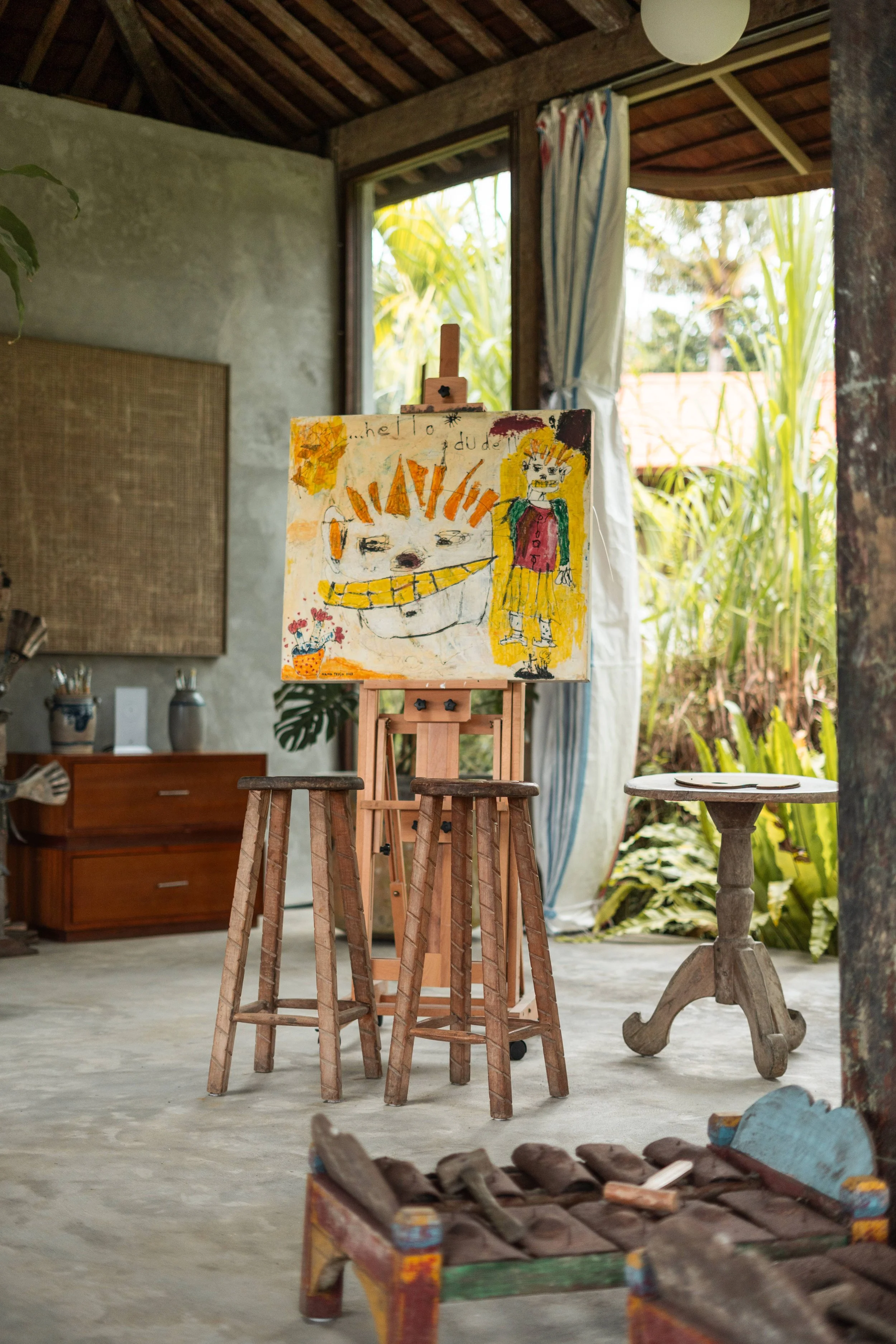
Afternoons are devoted to experiential inquiry, nature-based practice, and spacious time for rest, 1:1 sessions, bodywork, creative practice and integration. Desa Seni’s art centre is available to guests who wish to integrate through creative expression.
Evenings may include optional practice, cultural workshops, or ritual.
A sample day:
7:00–8:30am | Yoga + Meditation
9:30am–12:30pm | Embodied Compassion Workshop
2:30–5:00pm | Experiential Gestalt / nature-based practice + personal time
From 6:00pm | Dinner
Evening | Optional practice / cultural immersion
Meals
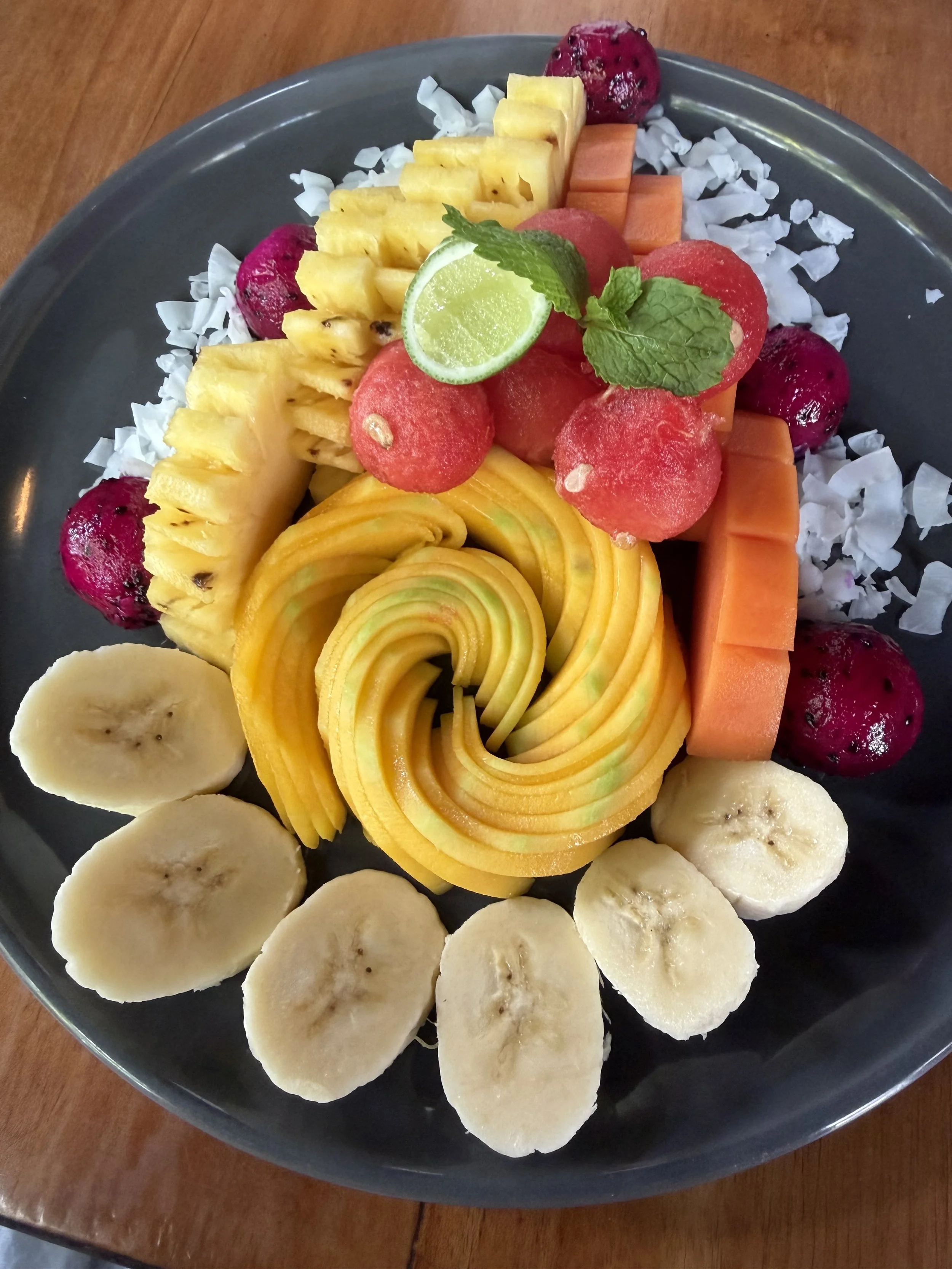
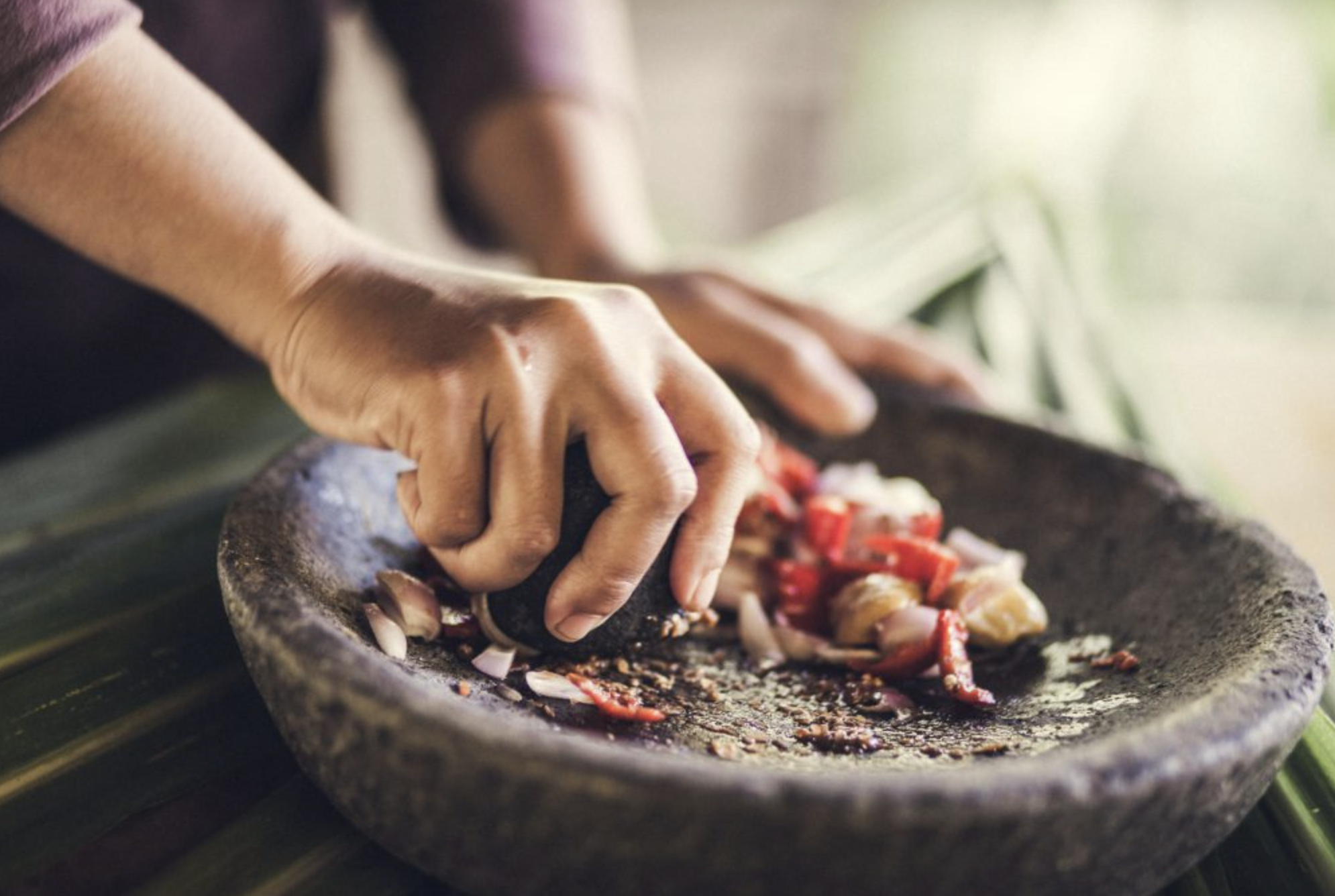
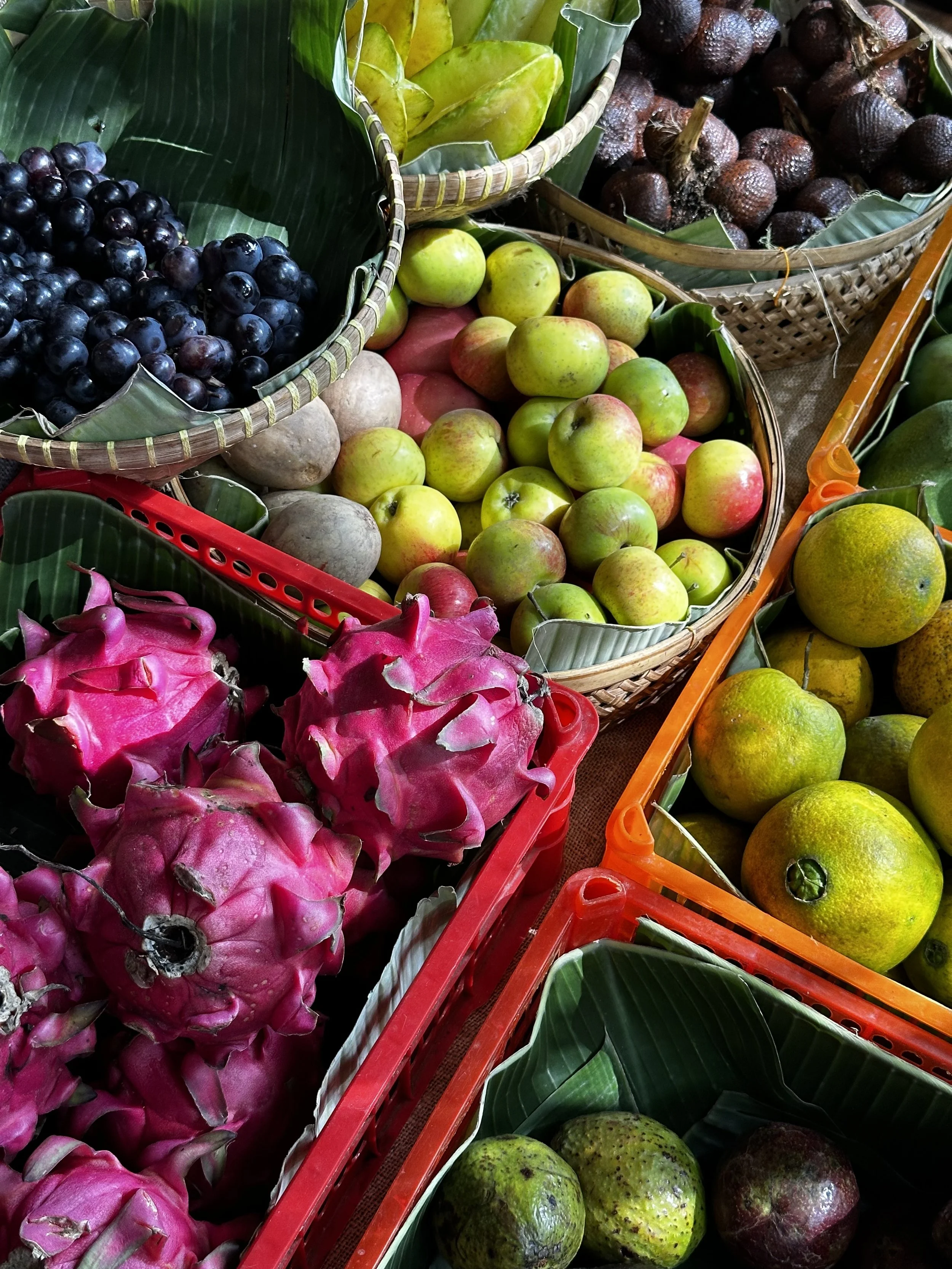
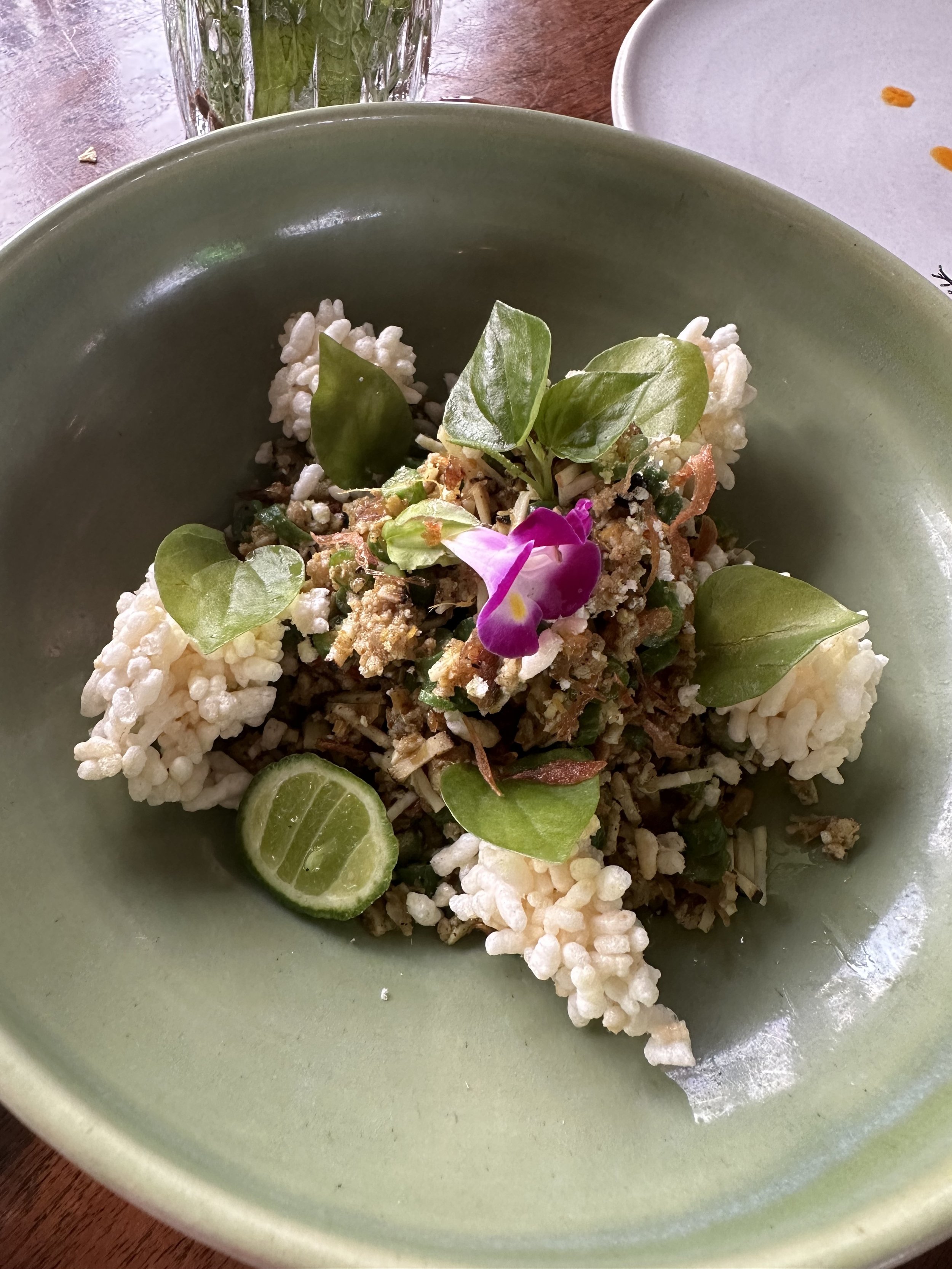
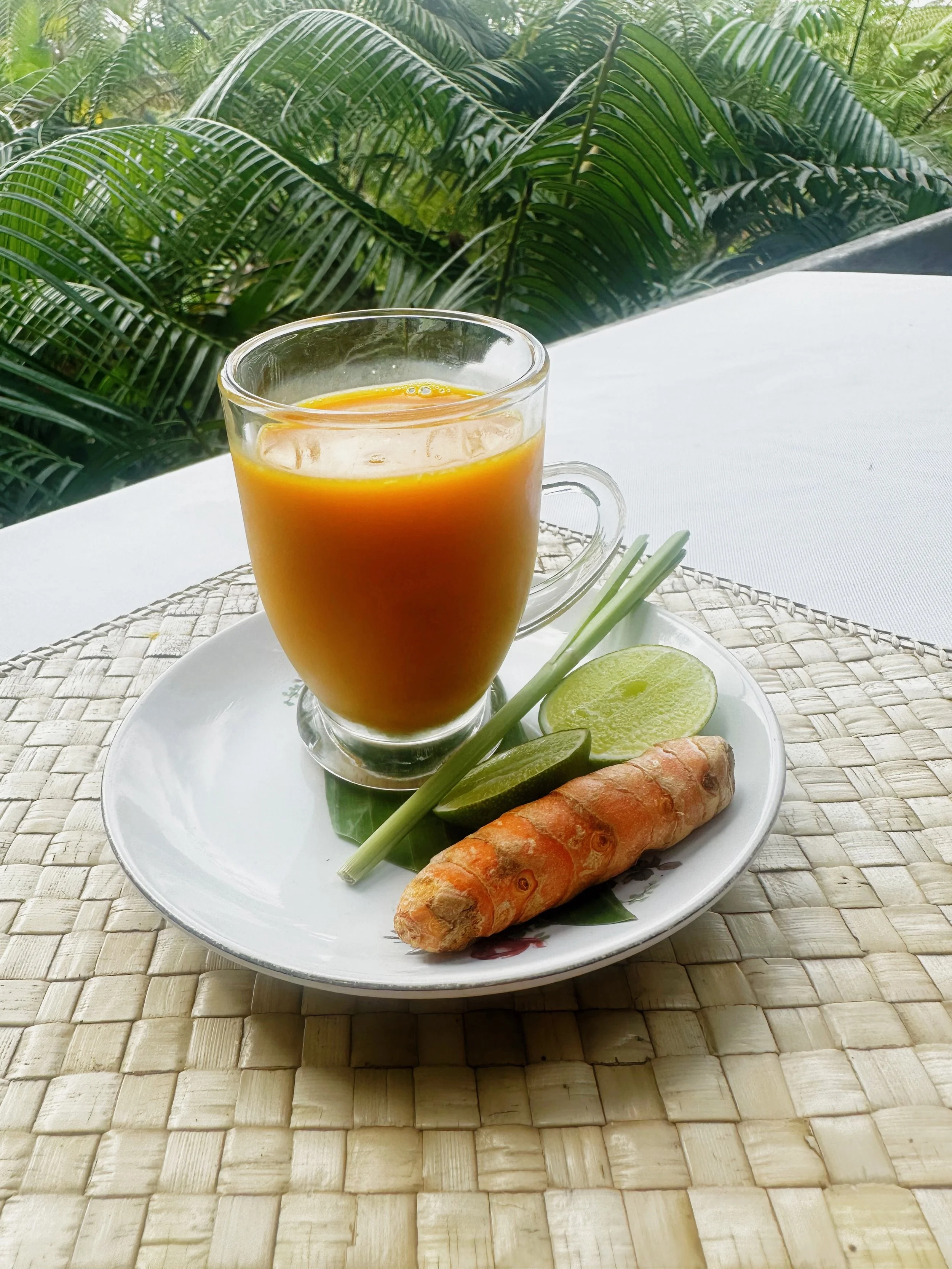
Meals at SOMA are a reflection of place and an integral part of the practice. Around 80% of the produce is grown on Desa Seni’s own organic farms, bringing a true farm-to-table vitality to every plate, with the remainder sourced from local growers who share a commitment to sustainability and community. The menu follows the rhythm of the seasons, inviting you to slow down, taste fully, and remember that nourishment is not only about food, but about relationship — to land, to culture, and to the body that receives it.
Desa Seni, Baturiti
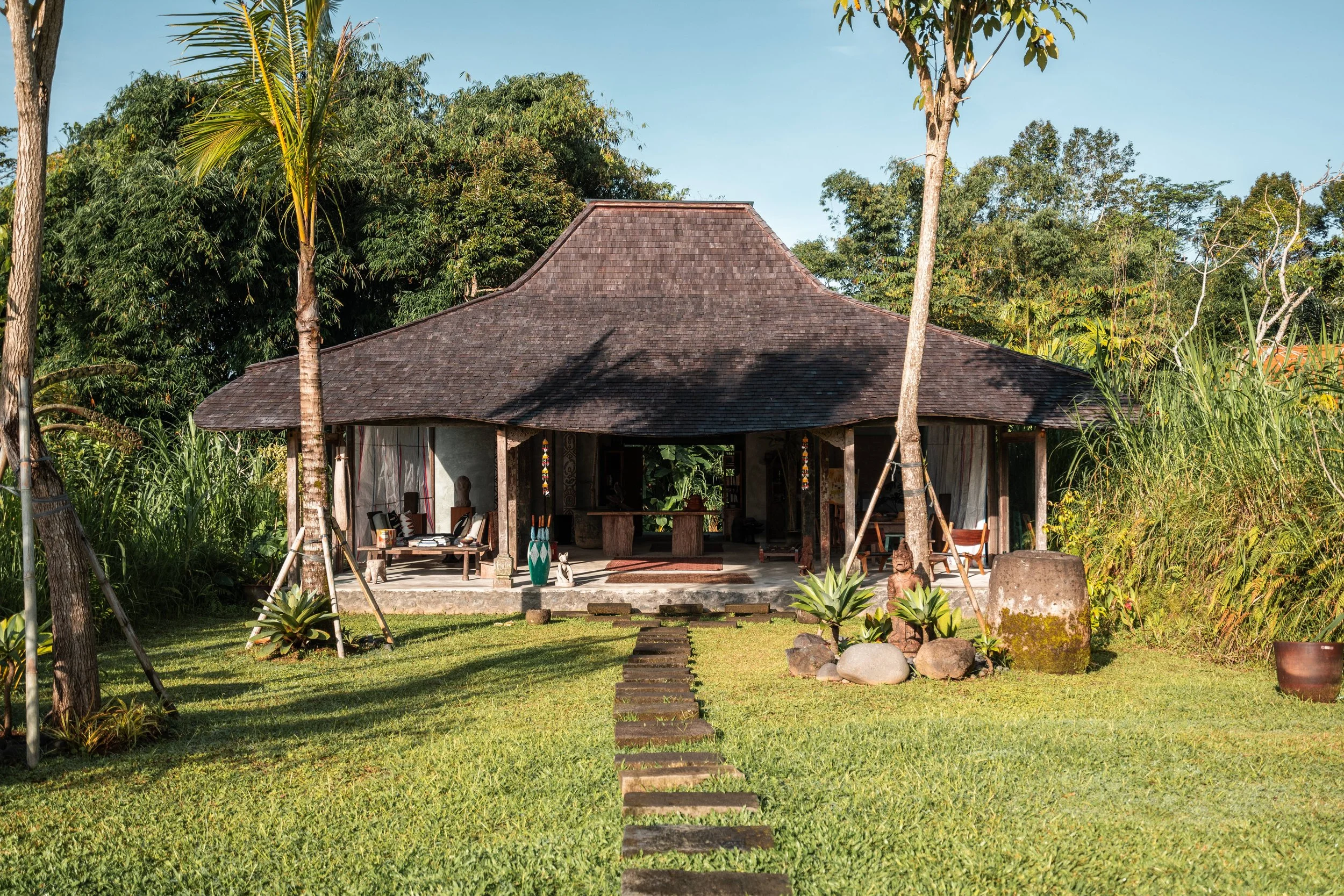
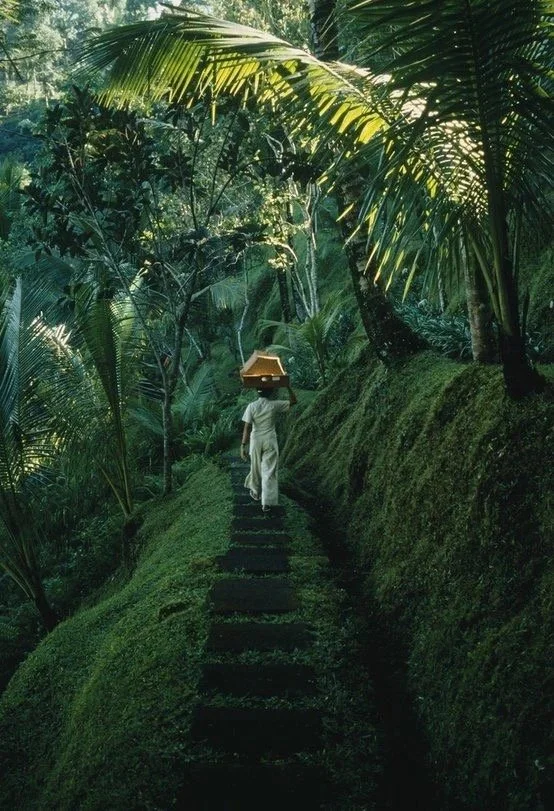
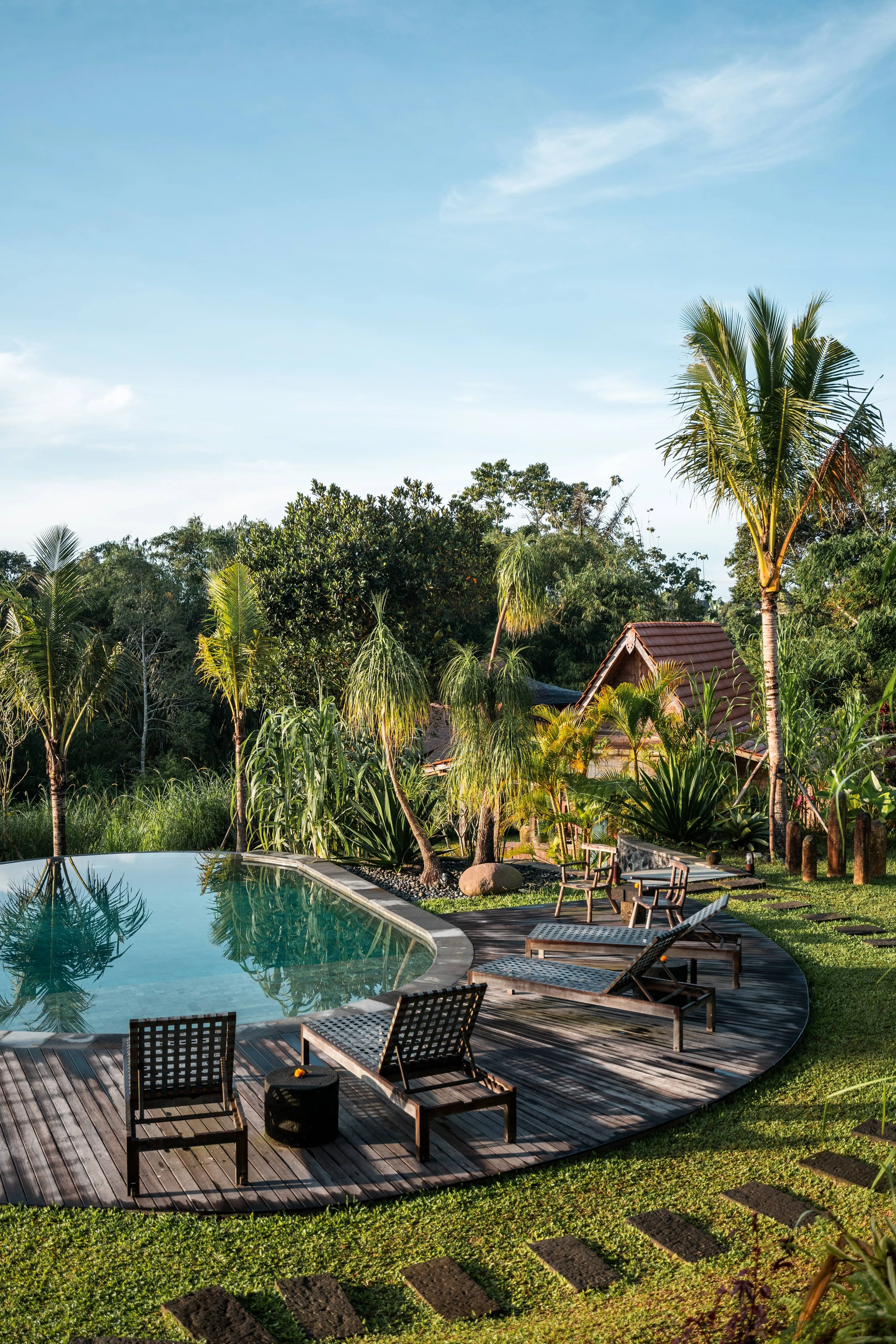
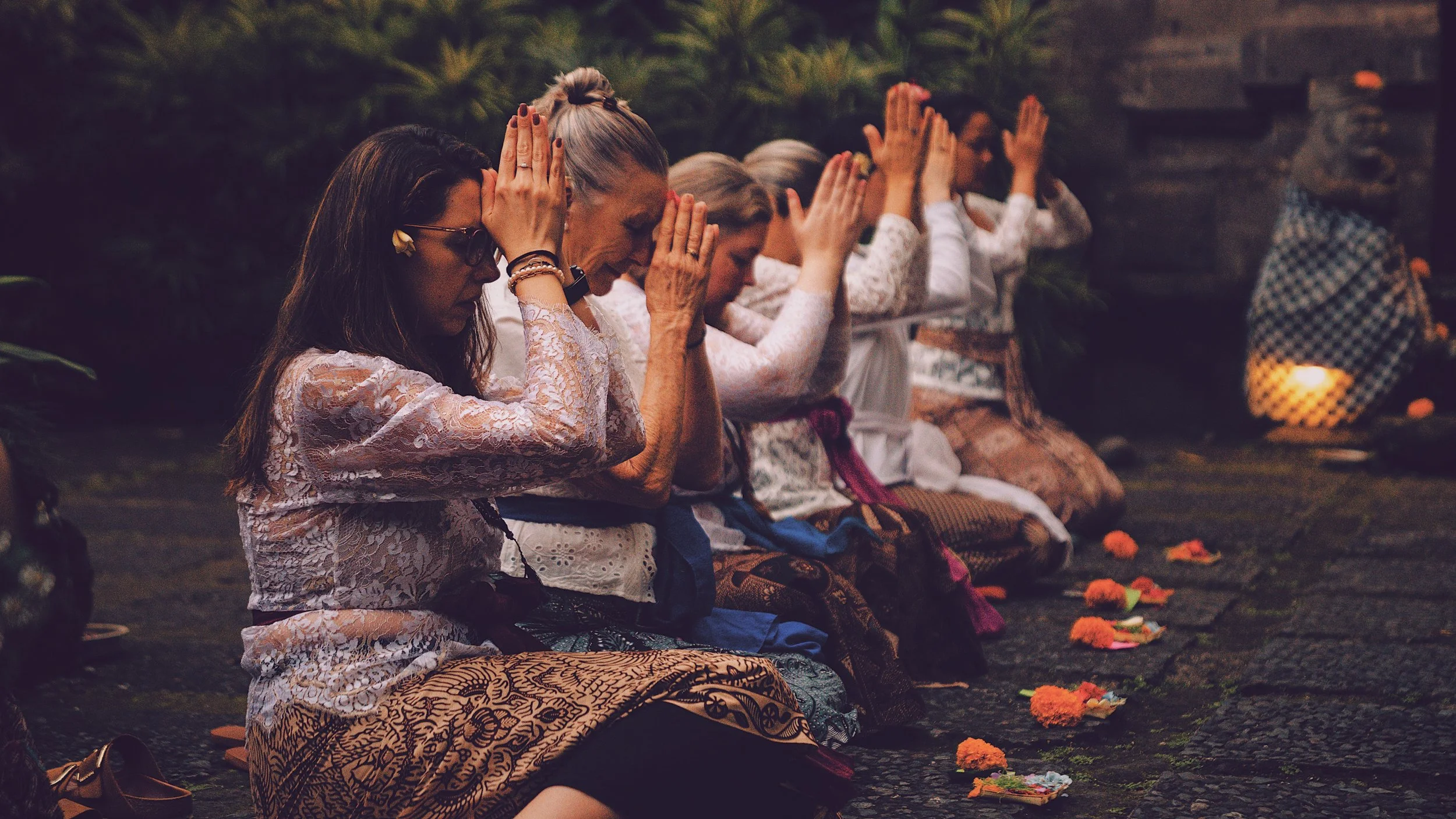
Set in the highlands of central Bali, Desa Seni rests among rice fields, forested slopes, and small village temples where daily offerings continue to shape the rhythm of life. At this altitude, the air is clear and often threaded with mist. Mornings unfold slowly. Light arrives through cloud and leaf; the days are warm and the evenings cool. Here you wil find what they call the “real” Bali.
The surrounding landscape carries a long memory of cultivation and care. Rice terraces step patiently across the hills, shaped by generations of hands and guided by water that moves according to ancient irrigation systems. Temples appear along paths and at the edges of fields, woven into ordinary days. Bells, prayer, and ceremony punctuate the atmosphere.
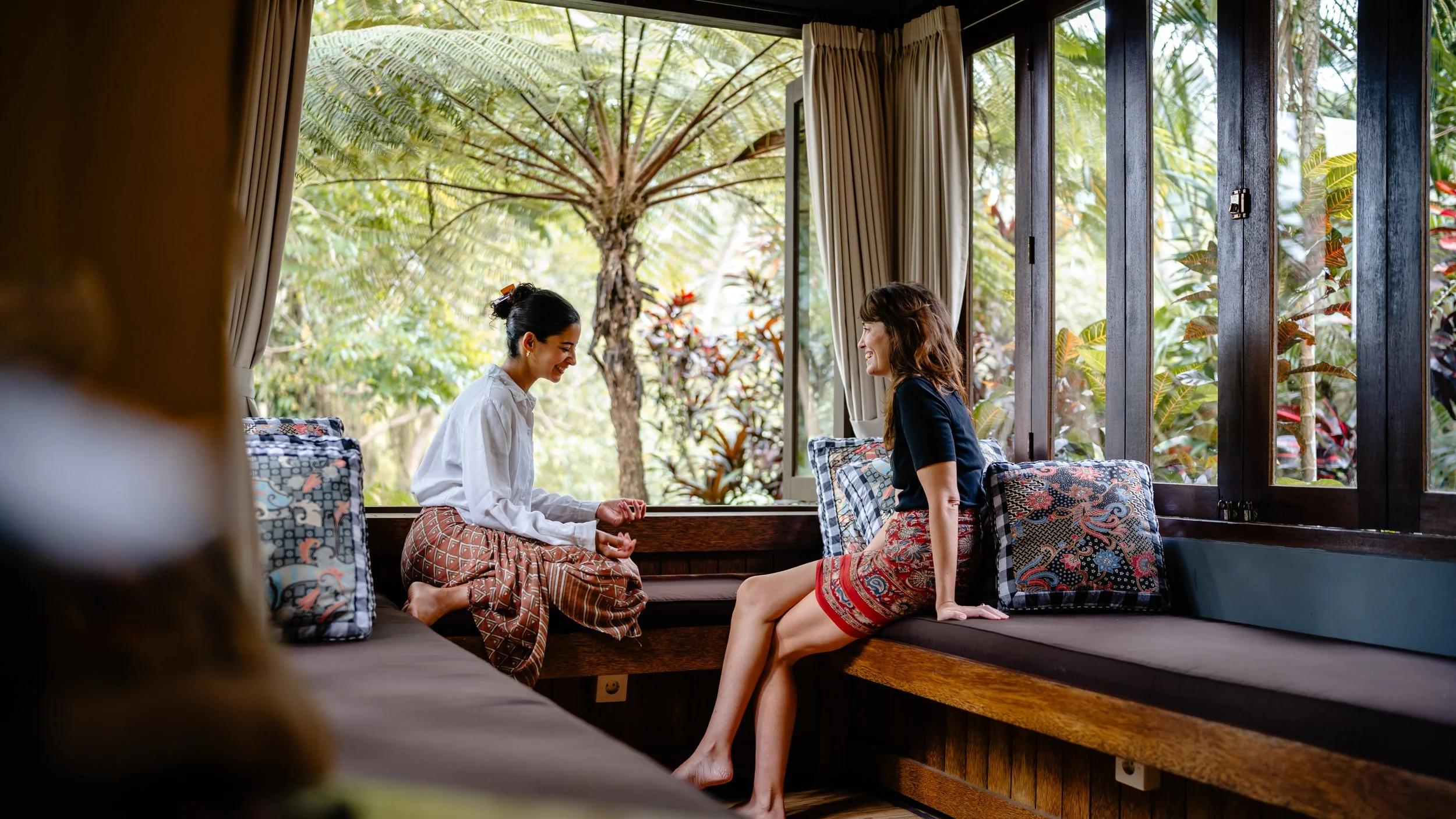
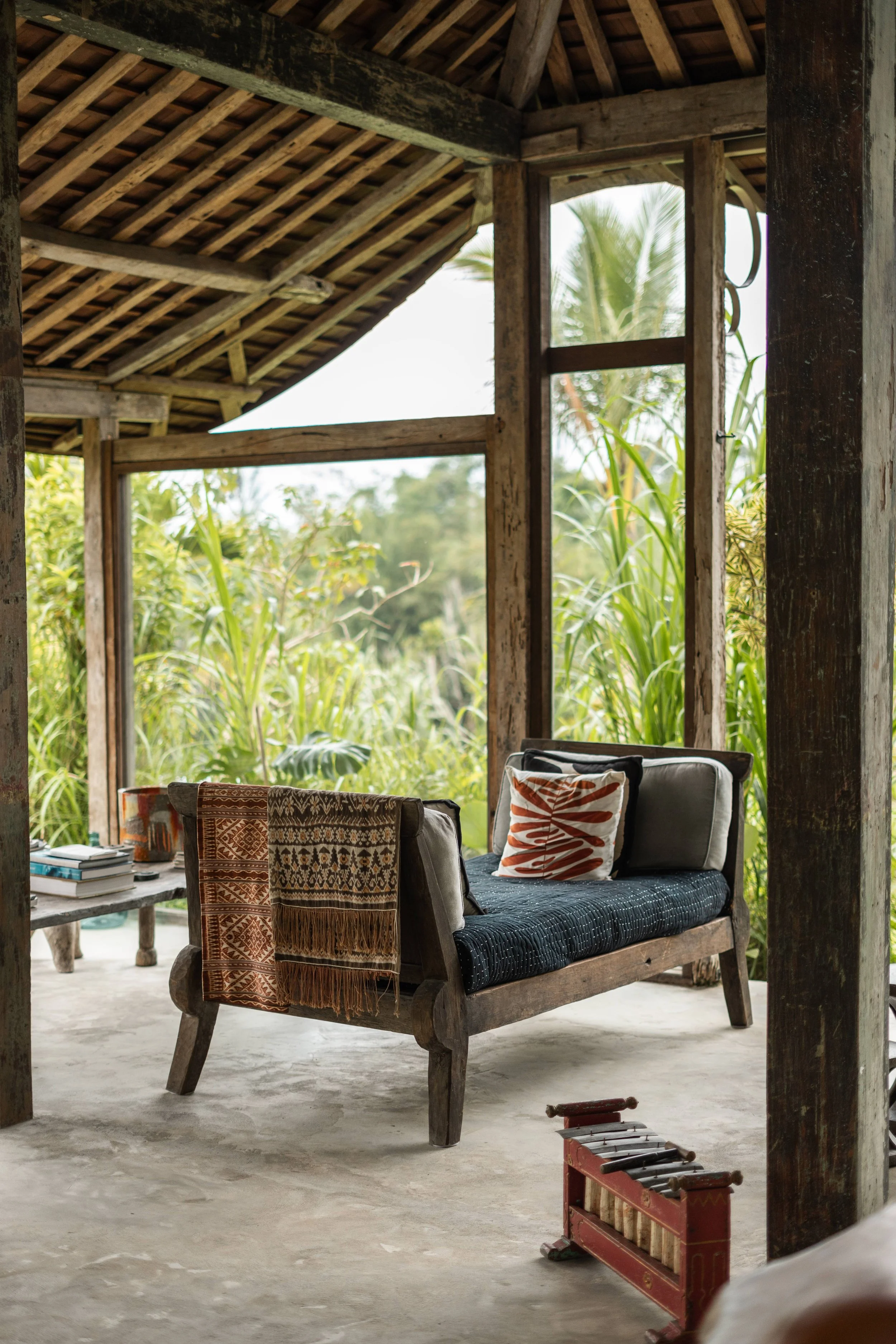
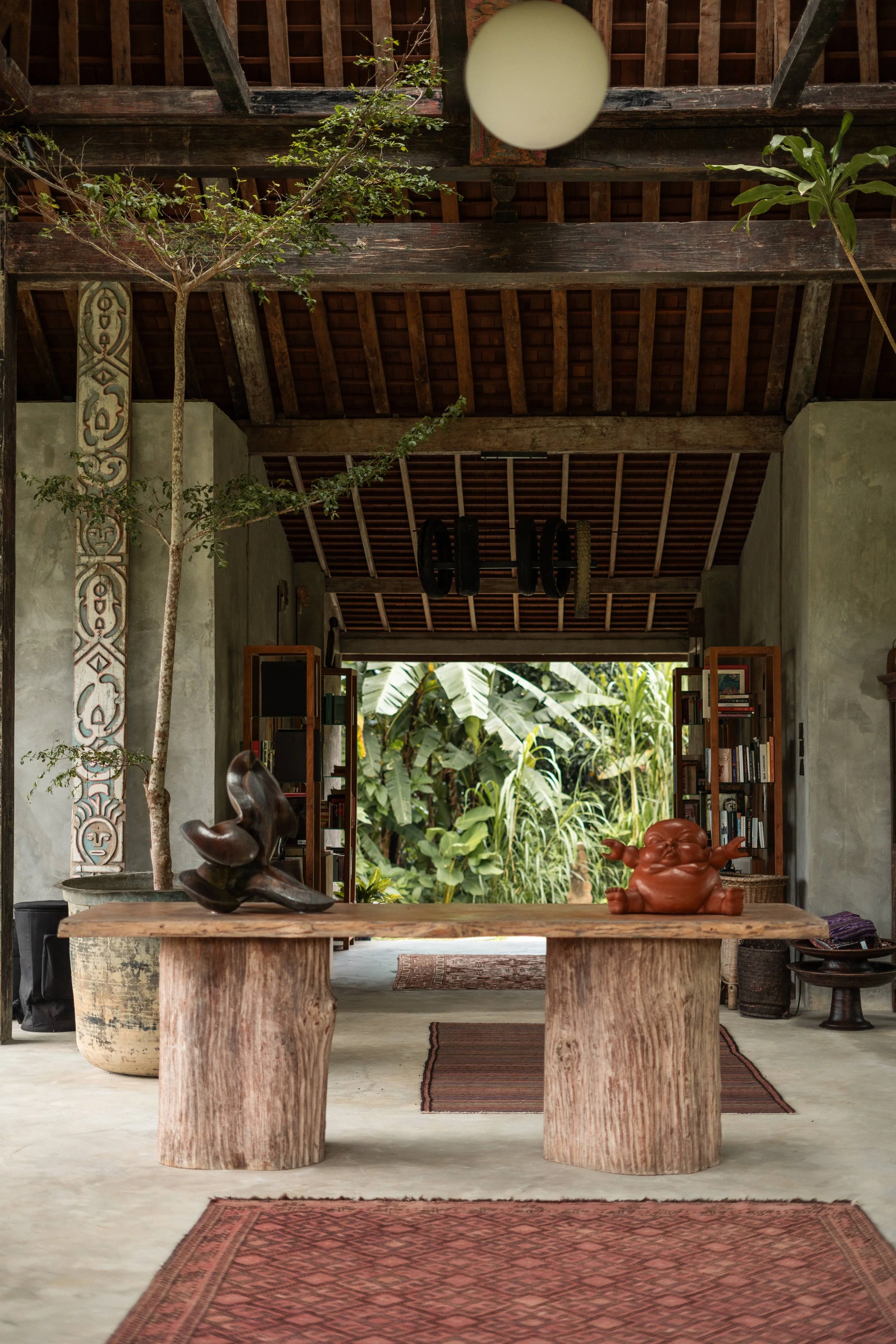
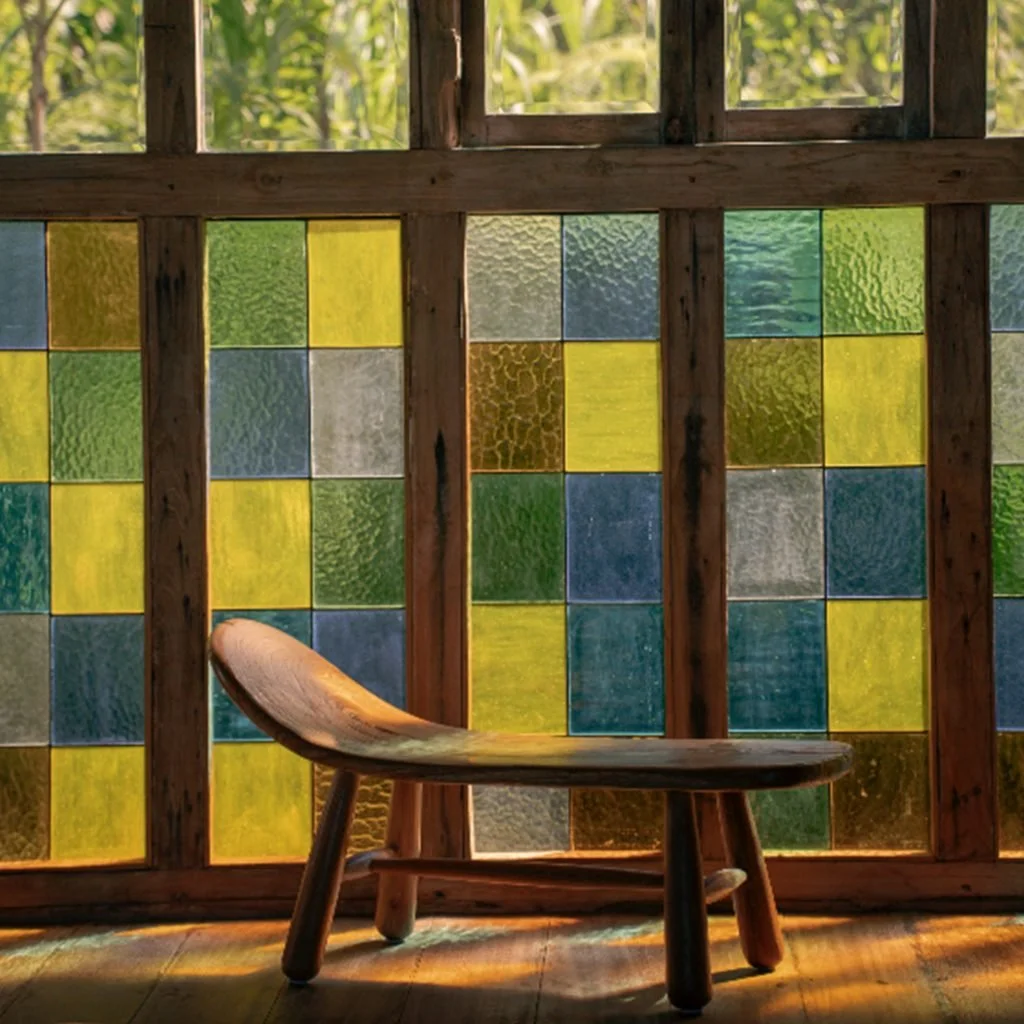
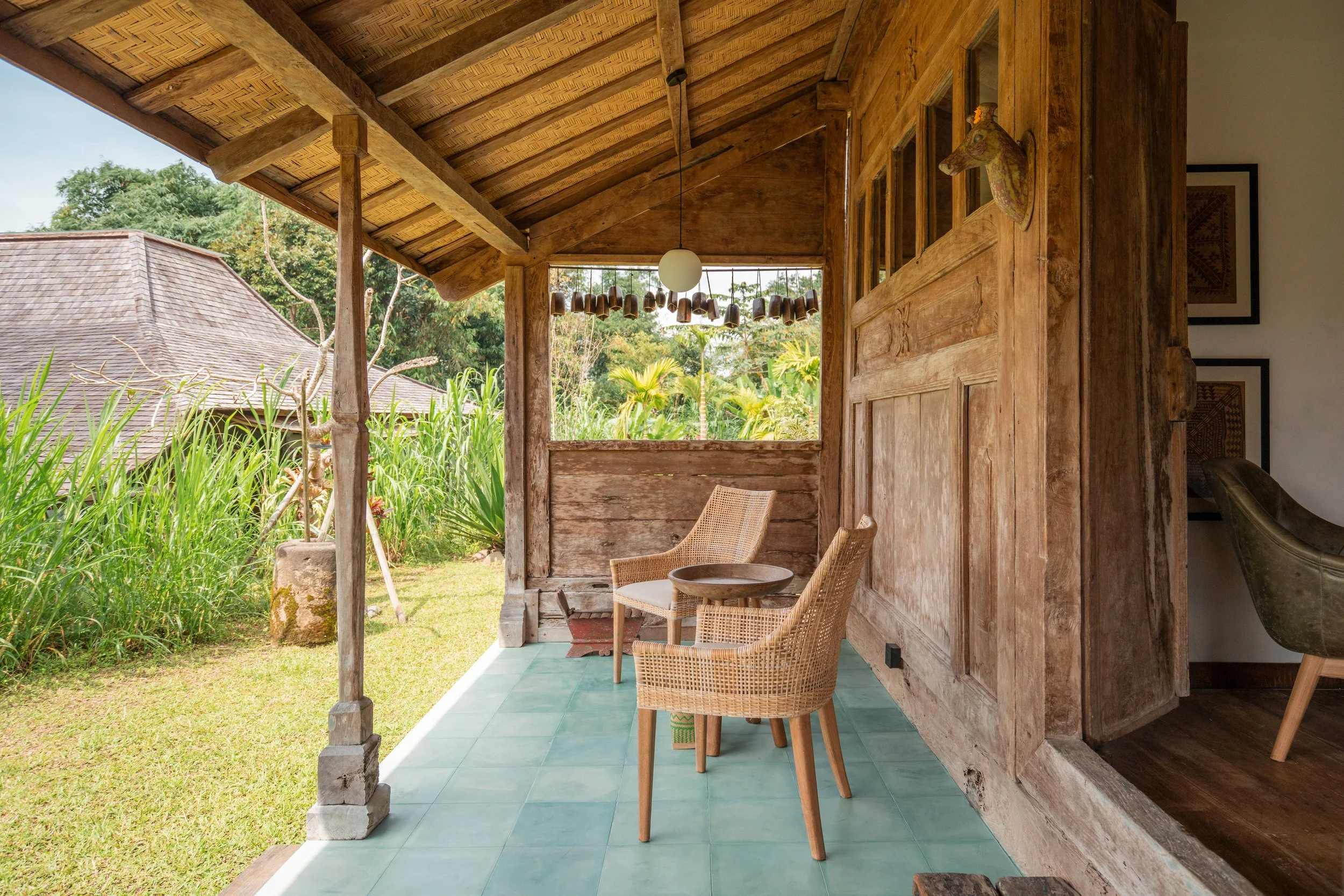
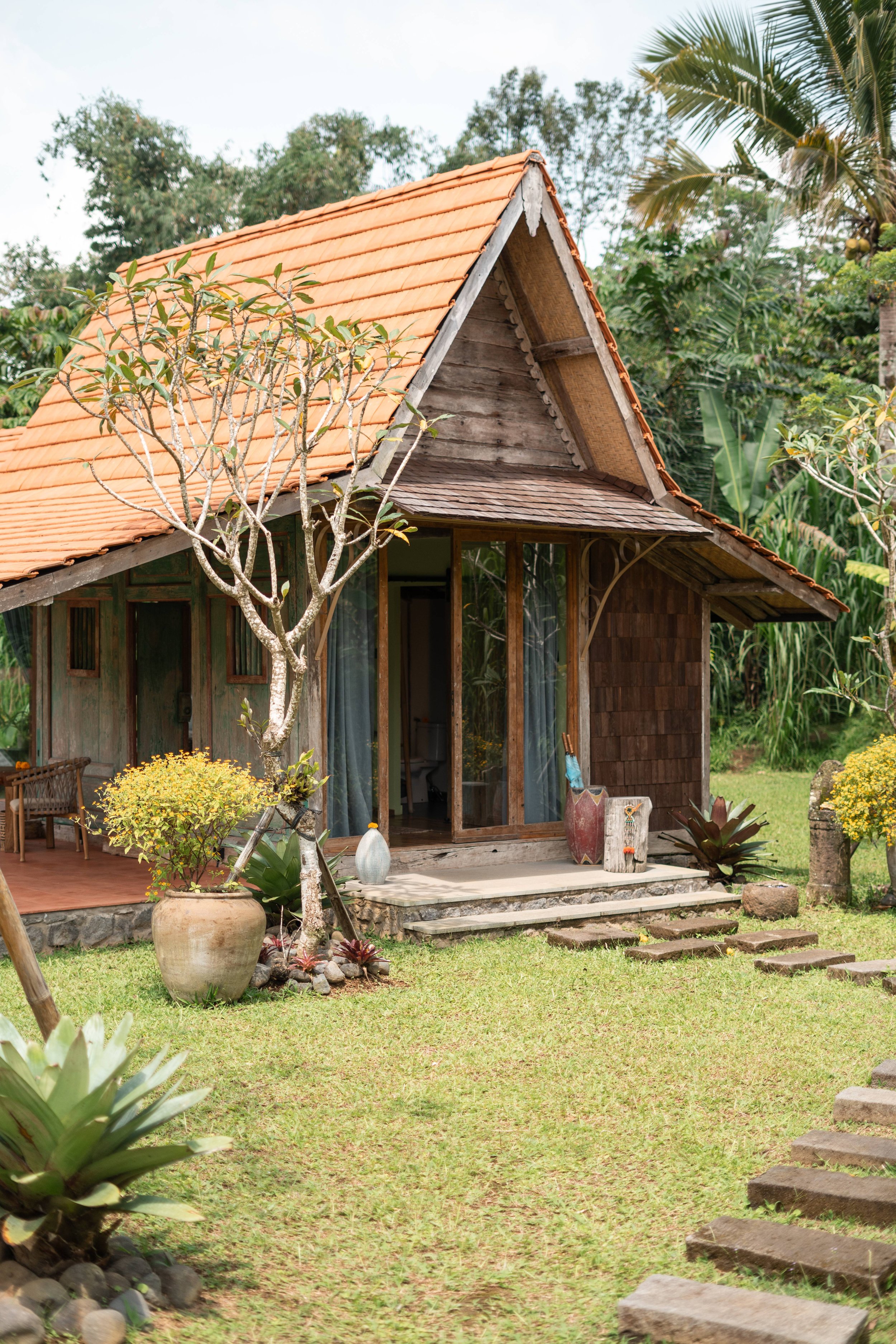
Desa Seni itself is designed as a living village. Open-air pavilions and gardens encourage a continuous relationship between inside and outside. Movement happens barefoot, across stone and earth. Meals are shared slowly, conversations linger, and rest is given legitimacy. Here we feel both held and enlivened by place - hearts open and practice deepens.
Rooms, Rates and Inclusions
Your retreat package includes:
Six nights accommodation at Desa Seni
Opening Cleansing Melukat Ceremony
Gourmet Breakfast, Lunch and Dinner daily
Daily participation in retreat workshops & activities
1 x 90 minute Balinese Massage
Welcome gift
Airport Transfers
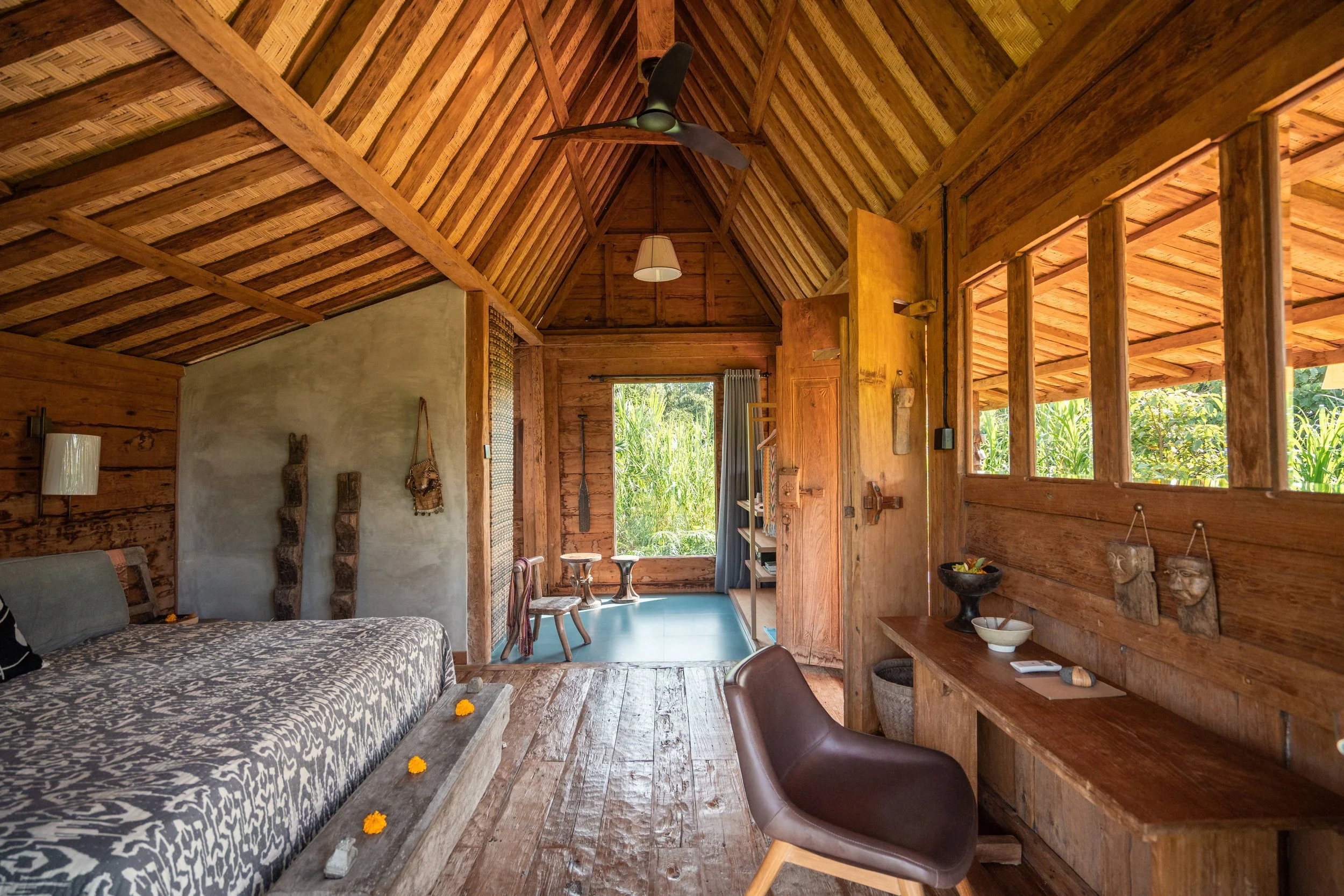
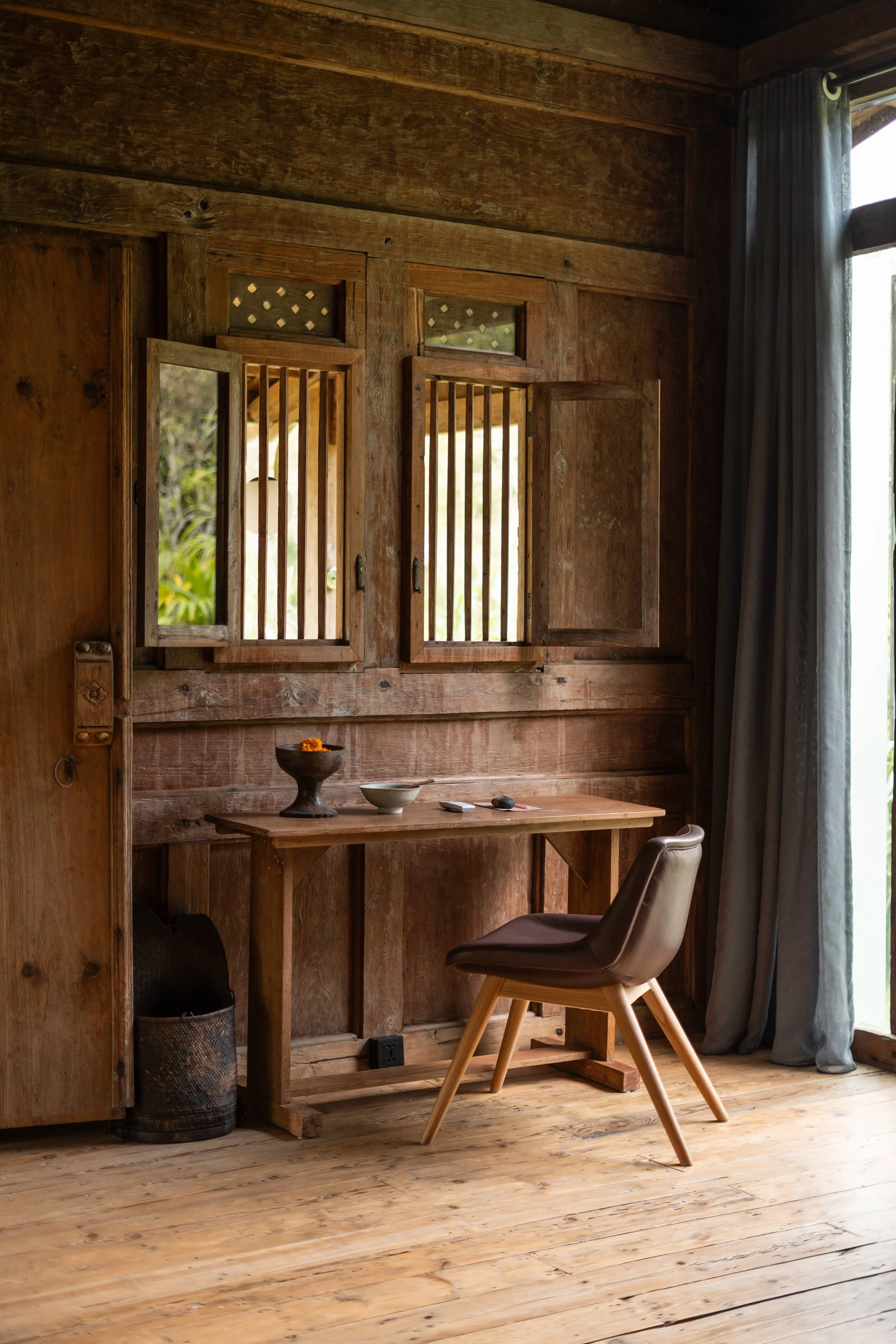
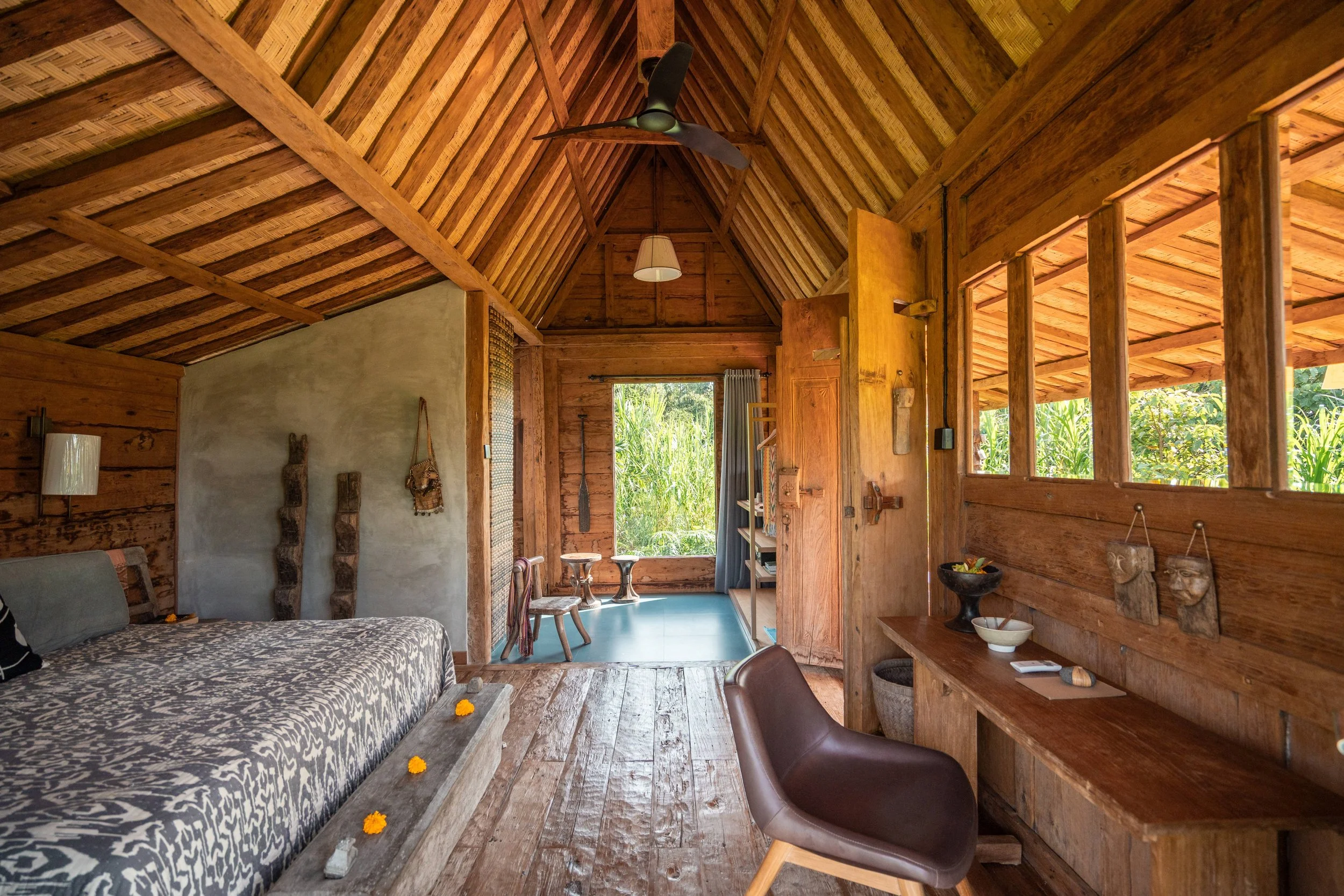
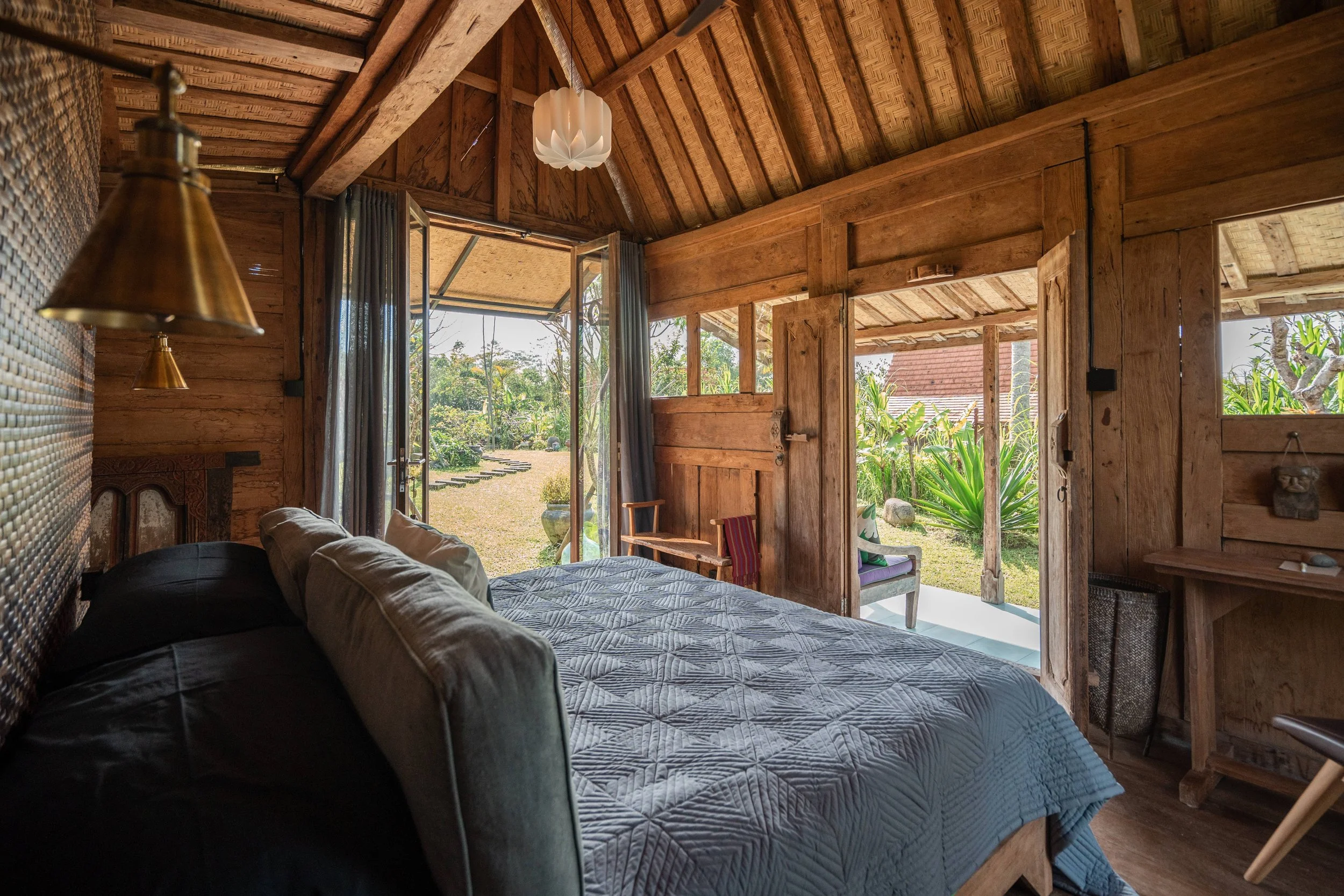
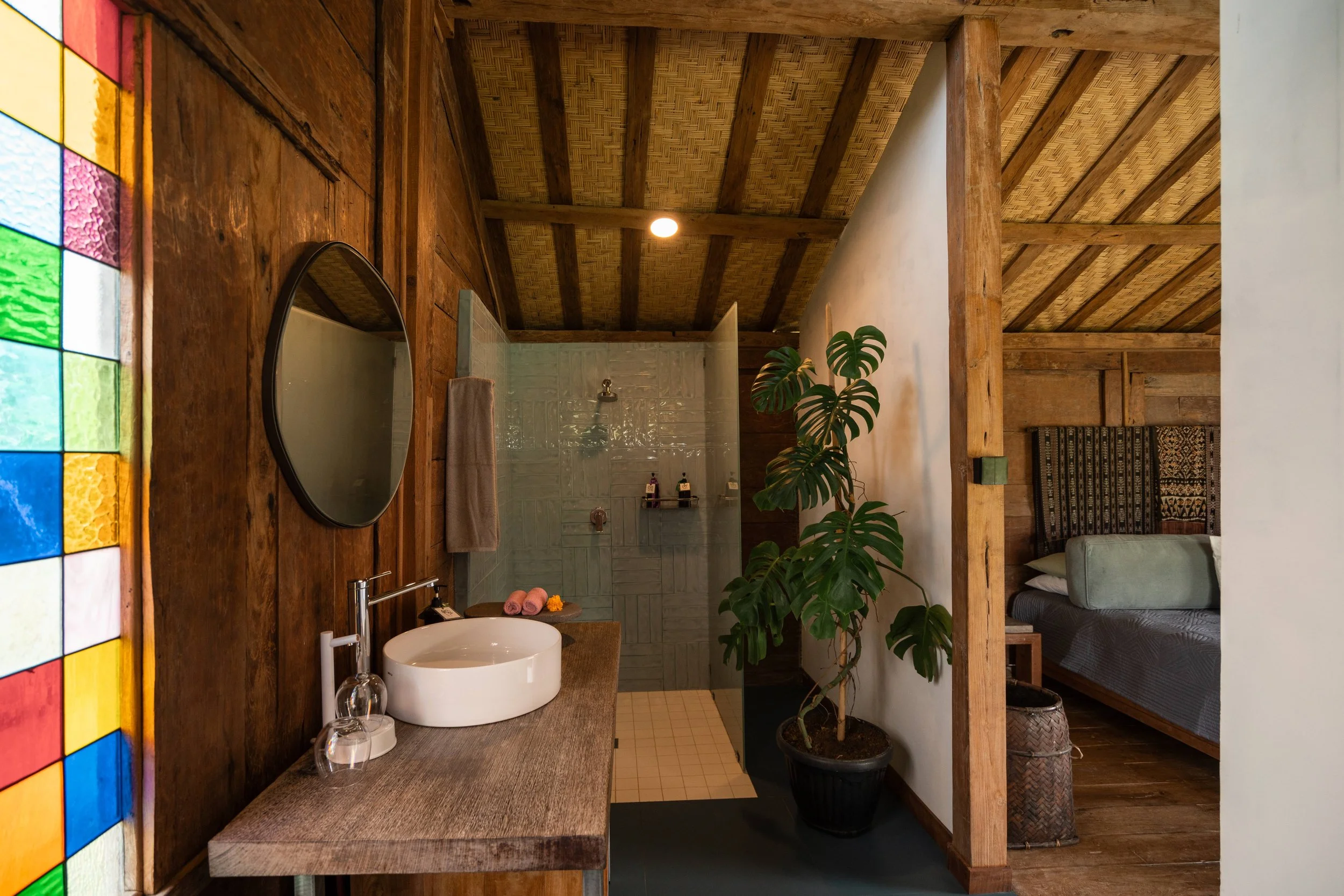
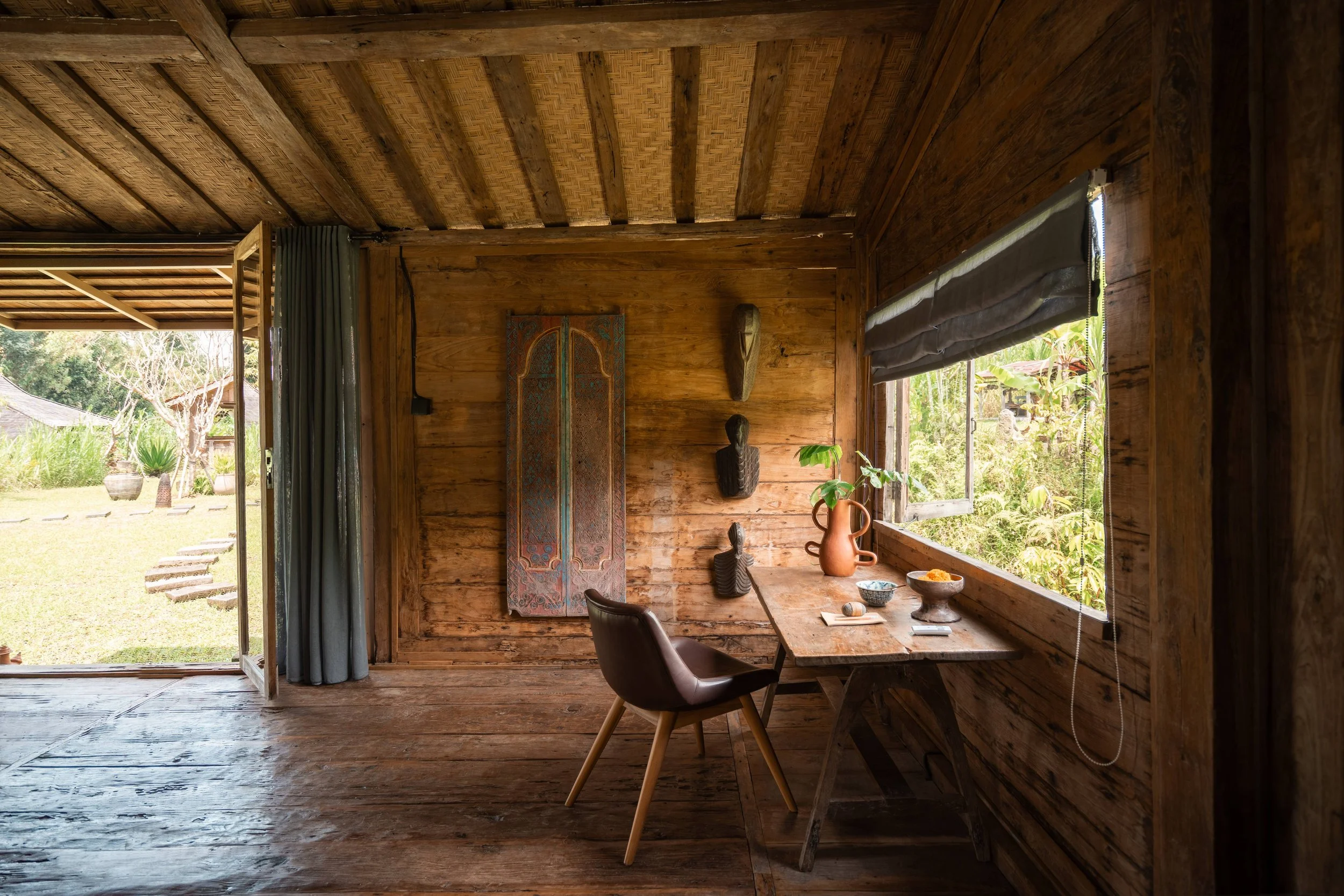
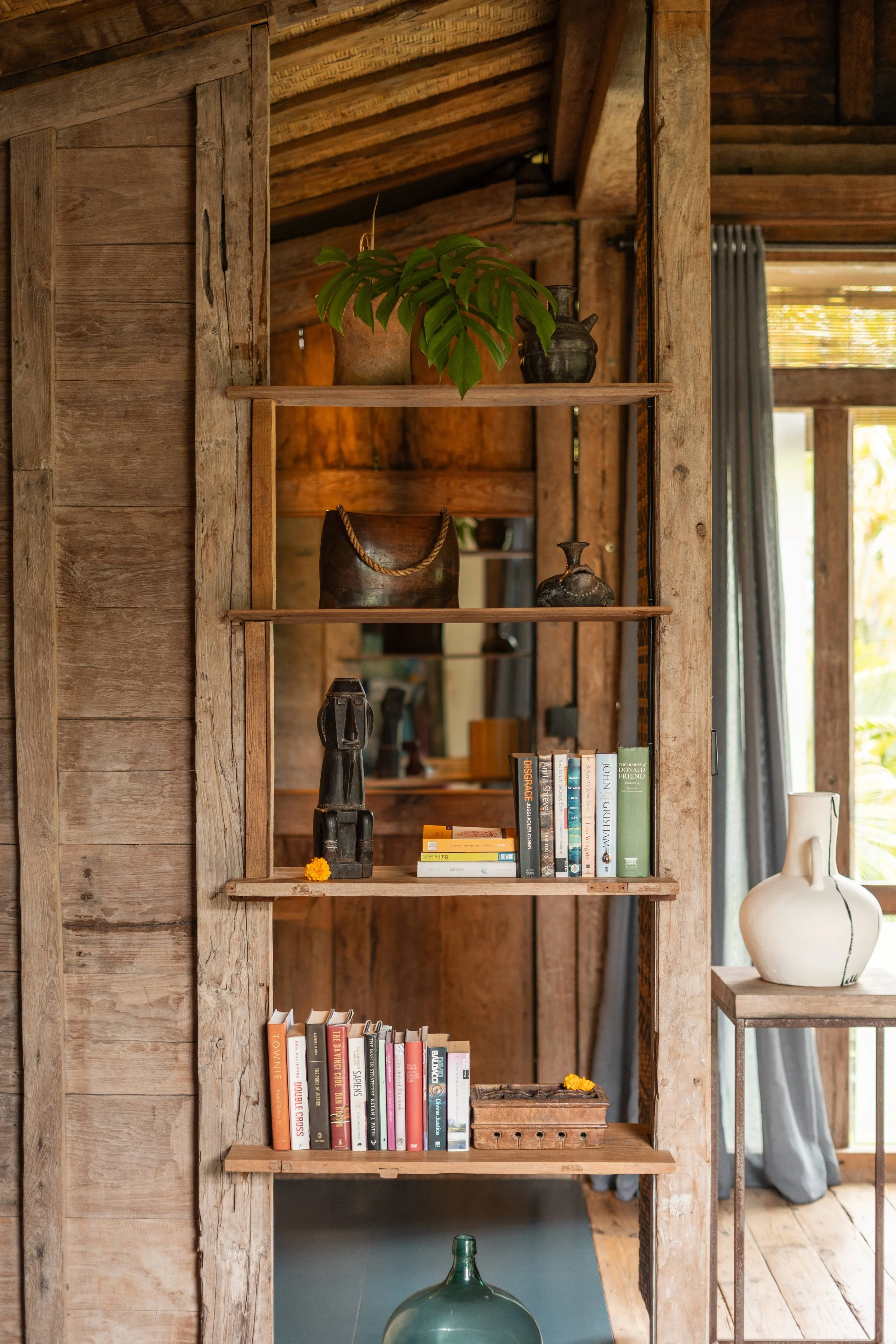
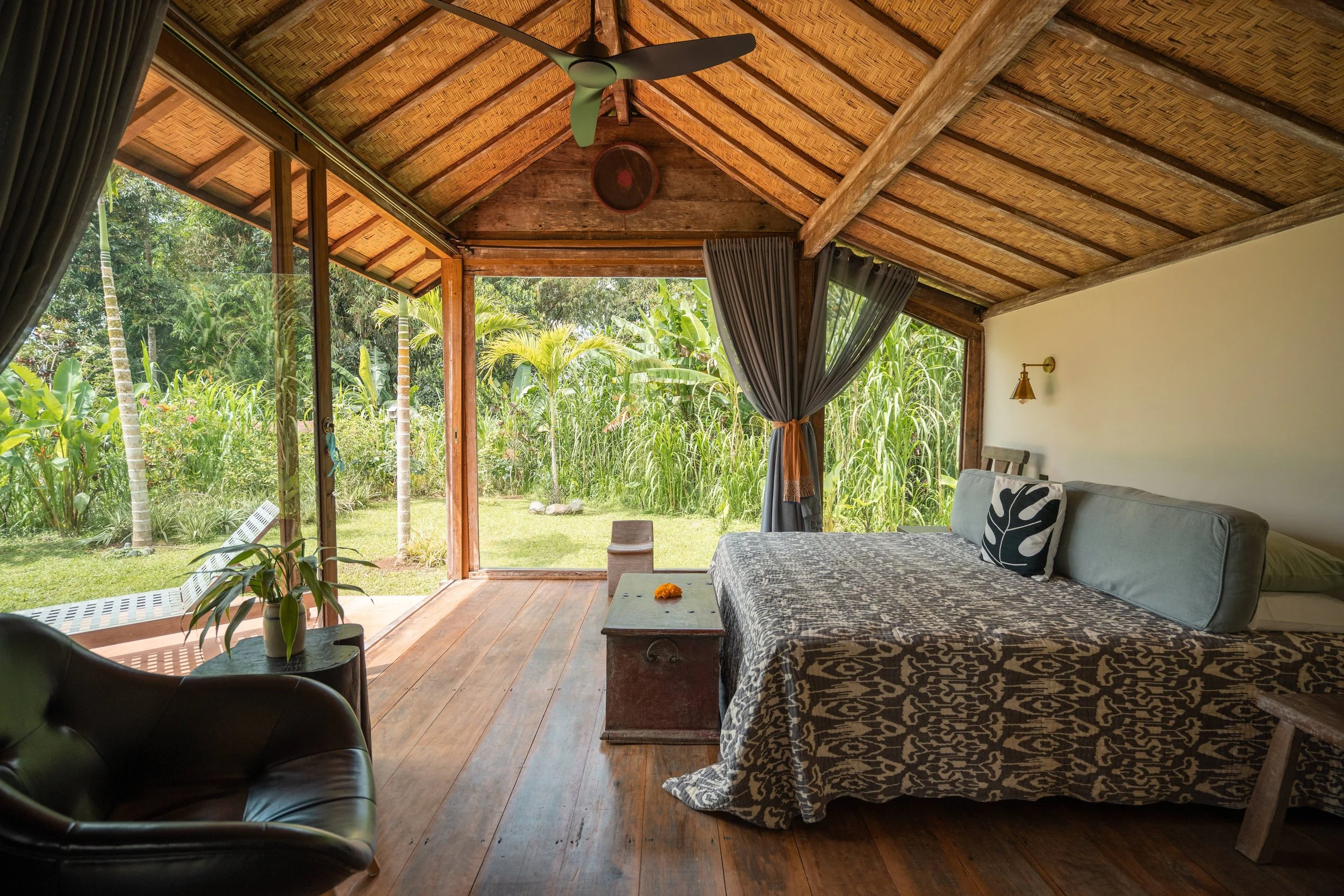
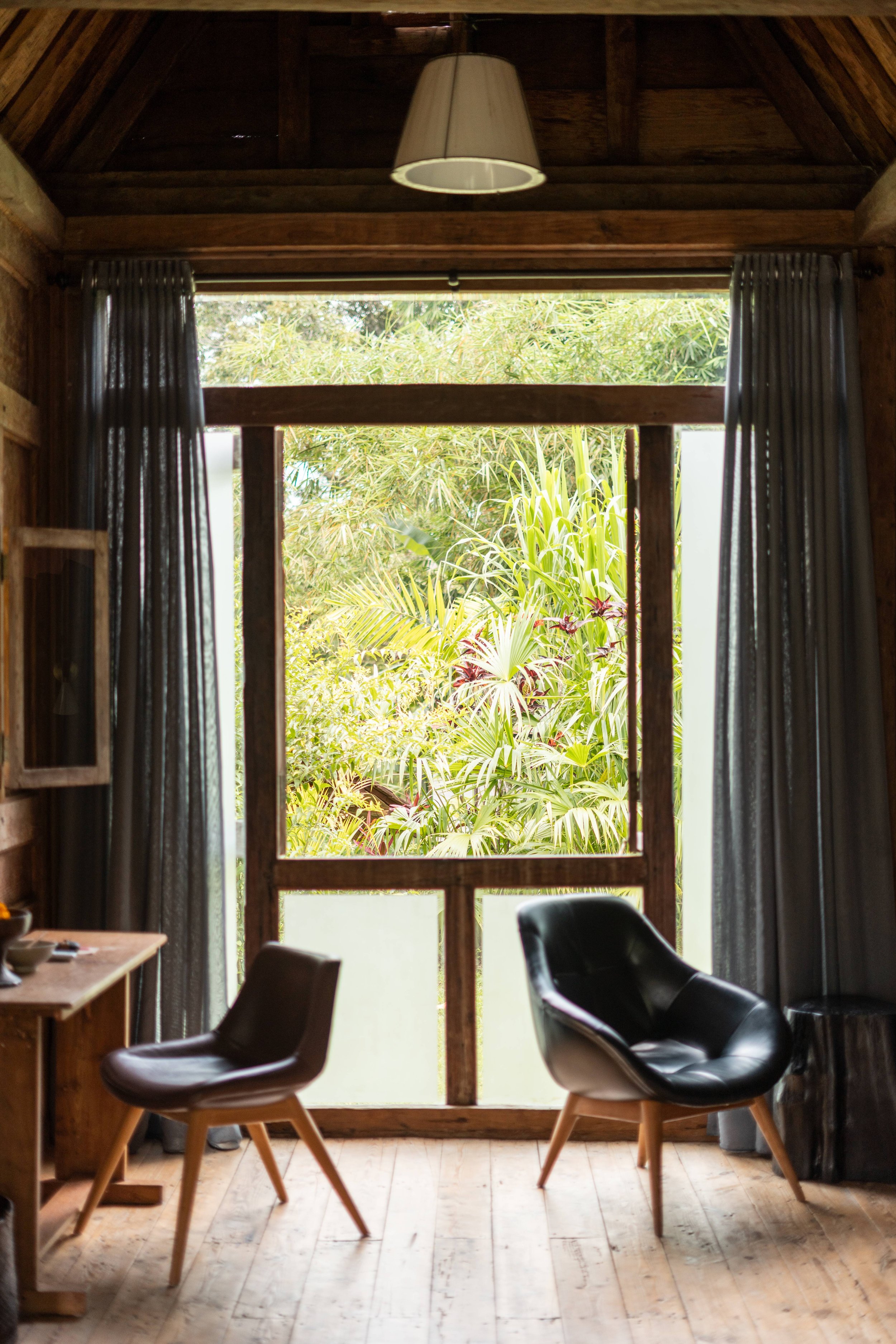
Desa Seni means “Art Village” and each of its rooms are simple yet luxurious traditional Indonesian design decorated with local art and cultural artefacts.
All rooms are available on either a single or twin share basis; for those wanting to share, you can elect to share with a friend or be matched with another participant.
All prices are in USD. Retreat Packages are $2600 per person for a standard shared room; $2900 per person for a premium shared room, or $3400 per person for a private room.
Your room and stay includes:
Reverse Osmosis Drinking Water
Wireless Internet
Daily Ceremonial Offering
Access to Desa Seni Book Library
Access to Rumah Seni – Art Center
Early booking discount of 10% applies to reservations finalised by 31 March 2026.
Your questions, answered.
-
Do I need previous experience in meditation or other practice?
While prior experience can be helpful, it is absolutely not required. The retreat is designed to welcome both beginners and those with existing practices.
-
How many people will be there?
We host between 10 and 16 participants, ensuring an intimate and supportive group environment. We curate our groups to ensure the retreat is right for them.
-
What's the group like?
Our groups are diverse, inclusive, and welcoming — participants range in background, profession, age, and identity, united by curiosity and openness to self-growth.
-
Will there be free time?
Yes — programs are paced with spaciousness so you can integrate insights, journal, or simply enjoy the surroundings.
-
Is this a therapeutic program?
This retreat is not a therapeutic intervention and does not replace therapy or mental health care. Participants are responsible for their own wellbeing and mental health during the retreat.
-
What support is available before and after?
Before the retreat, we provide information, materials, and are available for questions. After the retreat, we share follow-up resources to help you continue your practice and integration at home.
Connect with us
If you have questions that you’d like answered or would just like to explore whether the retreat is right for you, please fill out the form and we will be in touch.